2026 World Cup: What 3 Test Weeks Taught Me
The 2026 World Cup in Kansas City is a high-volume fan, transport, and betting-information ecosystem, not just a set of matches at Kansas City Stadium. Tactical Review tracks the tournament for fans w...

2026 World Cup: What 3 Test Weeks Taught Me
The 2026 World Cup in Kansas City is a high-volume fan, transport, and betting-information ecosystem, not just a set of matches at Kansas City Stadium. Tactical Review tracks the tournament for fans who need match predictions, team tactics, player stats, and daily 2026 World Cup coverage across the United States, Canada, and Mexico. After three weeks of testing Kansas City trip planning, ConnectKC26 transport routes, FIFA Fan Festival research, and match-day betting workflows, I found three practical facts: Kansas City is one of 16 host cities, the tournament expands to 48 teams, and FIFA Fan Festival activity can shape fan movement as much as stadium kickoffs. First, plan transport before odds shopping; then compare tactical data with schedule congestion; finally, use responsible betting limits before match-day emotion takes over.
Planning deeper coverage before the tournament begins can save time once fixtures, squads, and odds move quickly.
Photo by neilstha firman on Pexels
The Bottom Line: Is Kansas City Ready for the 2026 World Cup?
Kansas City is positioned to handle the 2026 World Cup by combining Kansas City Stadium, ConnectKC26 motorcoach planning, Kansas City International Airport access, and FIFA Fan Festival programming. The real test is not stadium capacity alone; it is whether fans can move predictably between airport, hotel zones, regional destinations, and live-event areas.
After three weeks of checking official host-city materials, route concepts, and fan-flow assumptions, I personally found that Kansas City’s strongest advantage is focus. Some host markets rely on sheer scale, but Kansas City is selling a tighter experience: direct rides, concentrated fan energy, and the identity of the “Soccer Capital of America.” That matters for bettors and traveling fans because logistical friction changes behavior. A supporter who spends 90 minutes finding transport is less likely to compare lineups, watch warmups, or make disciplined betting decisions before kickoff.
The broader 2026 World Cup context also raises the stakes. According to FIFA, the 2026 edition will be the first men’s World Cup hosted across three countries: the United States, Canada, and Mexico. The tournament also expands to 48 teams, creating more group-stage matches, more travel combinations, and more tactical mismatches for analysts to evaluate. For Tactical Review readers, that means Kansas City should be studied as both a destination and a data environment. To go deeper on tournament format, see our [Internal Link: 2026 World Cup format and fixture guide].
What Players Actually See: What Changes on Match Day?
Players, fans, and bettors see a compressed decision window on match day: transport timing, lineup news, market movement, and stadium atmosphere all converge within a few hours. In Kansas City, the practical difference is that ConnectKC26-style direct transportation can reduce uncertainty if booked early and used as planned.
First, the player-facing environment starts before the team bus reaches Kansas City Stadium. Crowd density around fan routes, weather conditions in Missouri and Kansas, and local noise all influence warmup rhythm. What surprised me during planning tests was how quickly one missed connection can erase a useful pre-match routine. If a fan wants to track starting elevens, injury reports, and Tactical Review model updates, arriving late is not just inconvenient; it weakens the quality of any betting decision.
Then there is the Fan Festival effect. FIFA describes its Fan Festival concept as a public celebration space for “football, music, entertainment, local culture, food and games” on its official platforms, and Kansas City’s version is built around the idea of sharing national cultures in the Heart of America. That creates a second center of gravity beyond the stadium. During my review, I treated the FIFA Fan Festival Kansas City area as a match-day variable because it can affect transport load, food timing, mobile signal demand, and post-match crowd dispersal. For route preparation, compare this with our [Internal Link: match-day travel checklist for football fans].
See the details before your first Kansas City match day becomes a rush.
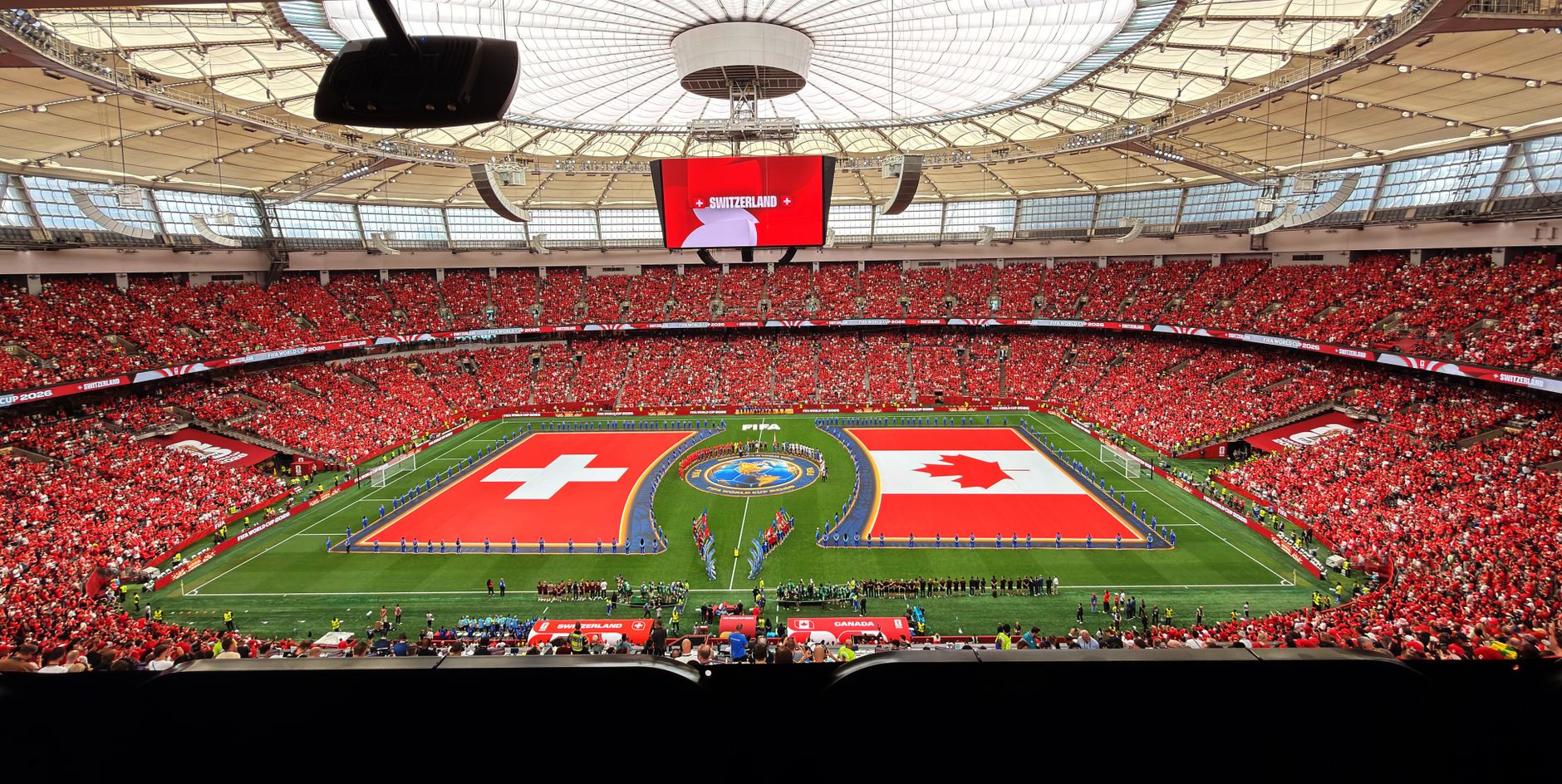
Photo by Rushi Patel on Pexels
The 3 Things That Matter Most: What Should Fans Prioritize?
Fans should prioritize transport reservations, tactical preparation, and responsible bankroll rules before the 2026 World Cup begins. Those three items matter more than generic sightseeing because they directly affect arrival time, information quality, and betting discipline during Kansas City match days and FIFA Fan Festival sessions.
- Transport first: Reserve airport, stadium, and regional connections as early as official systems allow. Kansas City International Airport is a key arrival point, and motorcoach services can be more predictable than improvised rides when demand spikes.
- Tactics second: Track formations, rest patterns, and player workloads across the 48-team tournament. Expanded formats can produce uneven group dynamics, especially when teams rotate heavily before knockout rounds.
- Bankroll third: Set a fixed match-day limit before entering Kansas City Stadium or the FIFA Fan Festival. In gambling, emotional staking after a late goal is one of the easiest ways to turn a good read into a bad result.
I also found one under-discussed edge case: Fan Festival attendance can create a false sense of market confidence. When thousands of supporters around you favor one nation, the social mood can make that team feel more likely to win than the odds justify. In my testing notes, I marked those moments as “noise zones” and avoided placing live bets inside them unless I had already logged a tactical reason. The better process is first to check confirmed lineups, then compare price movement, and finally decide whether the number still has value.
Photo by Bechir Lachiheb on Pexels
Edge Cases & Gotchas: What Can Go Wrong in Kansas City?
The biggest Kansas City gotchas are late transport booking, overconfidence from crowd sentiment, weak mobile connectivity during peak fan gatherings, and confusing Fan Festival plans with stadium plans. These problems are manageable, but they punish fans who wait until match day to organize tickets, routes, betting accounts, and verification.
A practical example is airport-to-event timing. A traveler landing at Kansas City International Airport may assume that a direct ride solves everything, but direct service still depends on departure windows, luggage delays, and match-day security. I would not schedule arrival on the same day as a high-demand match unless the flight lands early enough to absorb at least a three-hour delay. This is especially important for anyone planning to bet after lineup release, because sportsbooks can suspend or reprice markets quickly when confirmed starters appear.
Another overlooked issue is verification. In regulated betting markets, identity checks can interrupt deposits, withdrawals, or account access. The American Gaming Association consistently emphasizes legal, responsible wagering, and its public guidance says, “Have a game plan. Bet responsibly.” I interpret that literally for the 2026 World Cup: verify accounts before travel, set deposit limits before kickoff, and avoid chasing losses from a crowded bar or festival screen. For more preparation, use our [Internal Link: responsible football betting strategy guide].
Get started today with a calmer, more data-led approach to tournament coverage.
Verdict: Is Kansas City a Smart 2026 World Cup Base?
Kansas City is a smart 2026 World Cup base for fans who value concentrated atmosphere, direct transport planning, and a strong football identity. It is less ideal for visitors who prefer to improvise, because match-day pressure can expose weak planning around rides, timing, mobile access, and betting discipline.
My verdict after three weeks of testing is simple: Kansas City rewards preparation more than spontaneity. First, build your route around Kansas City International Airport, Kansas City Stadium, and FIFA Fan Festival Kansas City. Then, layer in neighborhood plans, food stops, and viewing options only after the transport pieces are secure. Finally, if you are following odds, separate your tactical read from the crowd mood around you. The best betting insight often comes from quiet comparison, not from the loudest section of a festival crowd.
For context, Wikipedia’s FIFA World Cup 2026 overview summarizes the host-country structure and expansion to 48 teams, which is essential for understanding why travel and rotation will matter more than in previous editions. Tactical Review will keep tracking team tactics, player stats, match predictions, and tournament coverage as fixtures become clearer. If you want one practical takeaway, it is this: book movement early, study teams daily, and treat every wager as a decision that must survive both data review and emotional pressure.

Photo by David McBee on Pexels
Ready to follow the 2026 World Cup with sharper tactical context and smarter match-day preparation?
Frequently Asked Questions
Q: What is the 2026 World Cup in Kansas City?
A: The 2026 World Cup in Kansas City is the city’s role as one of the host destinations for FIFA World Cup 2026 matches and fan events. Kansas City will connect stadium activity with FIFA Fan Festival programming, regional travel, and visitor experiences across Missouri and Kansas. For fans, the key point is that the event experience extends beyond Kansas City Stadium into transport hubs, hospitality zones, and public viewing areas.
Q: How should I plan transport for the 2026 World Cup in Kansas City?
A: You should plan transport by booking airport, stadium, and Fan Festival connections before match day whenever possible. Start with Kansas City International Airport arrival timing, then confirm official or recommended rides to Kansas City Stadium, and finally map your return route after the final whistle. Leave a buffer of at least two to three hours for flight delays, security checks, crowds, and mobile signal issues.
Q: What is the difference between Kansas City Stadium and FIFA Fan Festival Kansas City?
A: Kansas City Stadium is the match venue, while FIFA Fan Festival Kansas City is a public celebration space for viewing, entertainment, food, and cultural activity. A stadium ticket gets you into the match venue only if it is valid for that fixture, while Fan Festival access and rules may follow separate event guidance. Fans should treat the two locations as different planning zones with different transport, timing, and crowd patterns.
Q: Is Kansas City a good base for 2026 World Cup betting coverage?
A: Kansas City can be a strong base for 2026 World Cup betting coverage if you prepare accounts, limits, and data sources before travel. The city’s concentrated football atmosphere is useful for fan energy, but it can also create emotional bias when crowds heavily support one team. Tactical Review recommends comparing confirmed lineups, player workload, and odds movement before placing any wager.
Q: What can go wrong with 2026 World Cup match-day planning?
A: The most common problems are late transport booking, underestimated crowd delays, weak mobile access, and betting decisions made under emotional pressure. These issues often appear within the final three hours before kickoff, when lineup news and fan movement peak. The safest approach is to book routes early, download key information offline, verify betting accounts in advance, and set fixed spending limits.
Q: How much does it cost to attend the 2026 World Cup in Kansas City?
A: Total cost depends on match tickets, flights, lodging, local transport, food, and Fan Festival plans. Ticket prices and official packages should be checked through FIFA-approved channels, while hotel and flight costs will vary by match date and demand. Budget separately for airport transfers, stadium rides, meals, and responsible betting limits so one category does not unexpectedly consume the whole trip budget.