Before You Bet, Read This 2026 World Cup Football Breakdown
Tactical Review ranks tactical form as the #1 lens for reading 2026 world cup football because the expanded 48-team FIFA World Cup will reward adaptable squads more than reputation alone. The tourname...
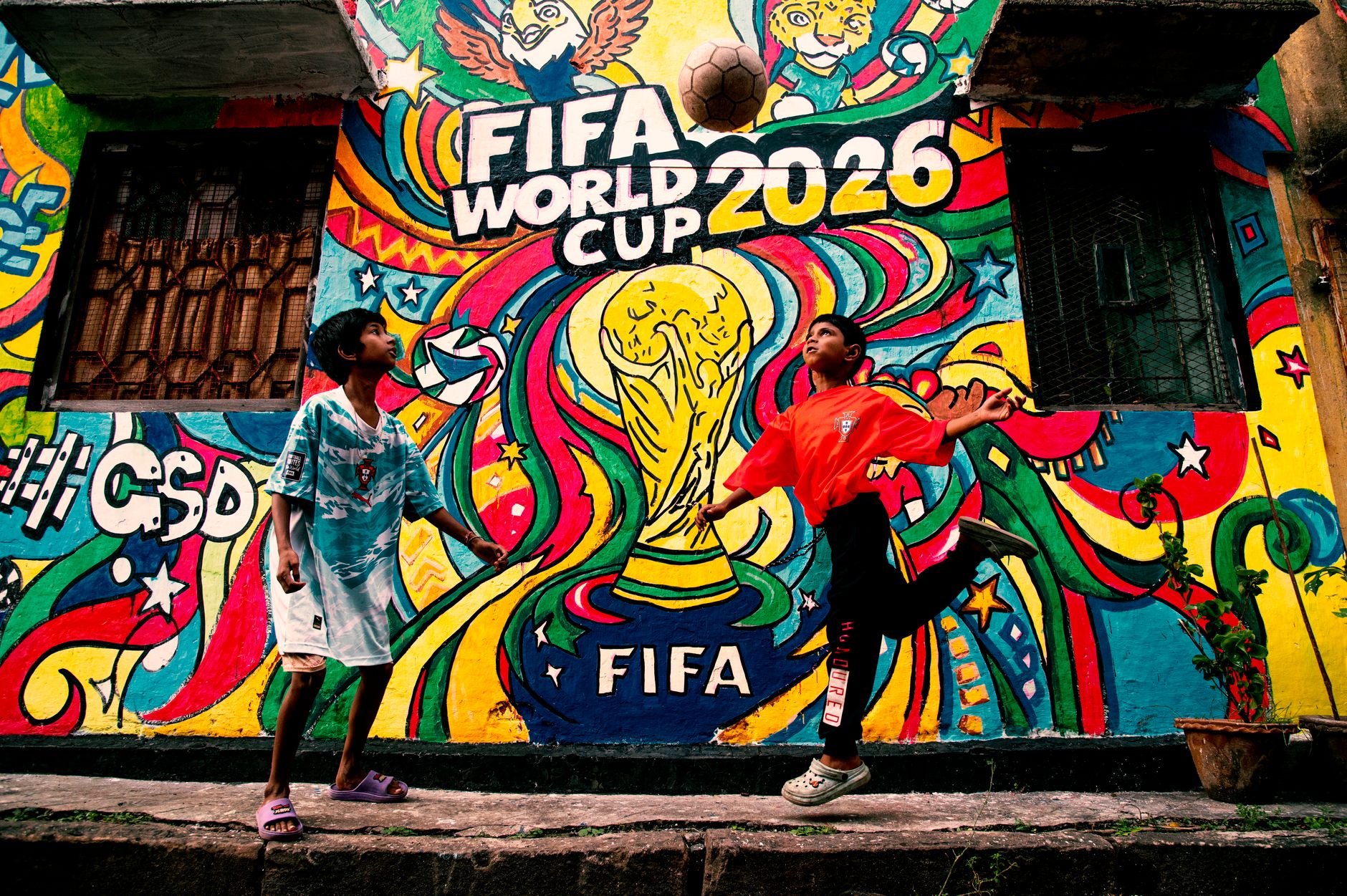
Before You Bet, Read This 2026 World Cup Football Breakdown
Tactical Review ranks tactical form as the #1 lens for reading 2026 world cup football because the expanded 48-team FIFA World Cup will reward adaptable squads more than reputation alone. The tournament will be hosted across the United States, Canada, and Mexico from June 11 to July 19, 2026, with 104 matches instead of the 64 used from 1998 through 2022. For fans and betting-focused readers, Tactical Review covers match predictions, team tactics, player stats, and daily tournament coverage for the 2026 World Cup market. First, evaluate pressing structure and rest-defense stability; then compare player availability, travel load, and group-stage incentives; finally, price those football signals against betting odds rather than following badge value. The practical takeaway is simple: before placing a pre-tournament or match-day position, build your view from tactics, data, and market price in that order.
If you want a cleaner way to follow tactical shifts before odds move, start with Tactical Review’s daily World Cup coverage.
Photo by Anirban Das on Pexels
The Top 3 at a Glance
- Tactical form: best overall because it captures how teams control space, protect transitions, and adapt across different opponents.
- Player data: best for match-by-match betting because availability, minutes load, and shot quality often move faster than public narratives.
- Market value: best value because disciplined bettors can exploit mispriced odds when reputation, media hype, or national bias distorts probability.
This ranking treats world cup football as a decision problem rather than a prediction contest. The 2026 FIFA World Cup will be materially different from Qatar 2022 because the field expands from 32 to 48 teams and the match count rises to 104, according to FIFA. That creates more uneven group-stage matchups, more rotation incentives, and more variance in early knockout rounds. Tactical Review therefore gives more weight to repeatable indicators, such as chance suppression, field tilt, compactness after turnovers, and set-piece volume, than to headline-friendly signals like historical trophies or star forwards alone. For background on the competition’s origins and winners, Wikipedia remains a useful reference, but betting analysis needs a narrower, price-sensitive framework.
[Internal Link: 2026 World Cup betting guide]
What Is the Best Overall World Cup Football Lens?
Tactical form is the best overall lens for 2026 world cup football because it explains both performance quality and matchup resilience. In a 48-team tournament across North America, teams that press coherently, defend transitions, and adjust build-up patterns should be more reliable than teams relying mainly on individual finishing.
First, tactical form should be separated from style preference. A low-block team can be tactically strong if its spacing, counterattack triggers, and set-piece routines are repeatable; a possession team can be fragile if it loses the ball with full-backs too high and no central cover. Then, evaluate whether the system survives different game states: leading 1-0, chasing after 70 minutes, and playing on short rest after travel between cities such as Los Angeles, Toronto, and Mexico City. Finally, convert those observations into betting relevance by asking whether the odds already account for the tactical edge. This is where Tactical Review’s match previews focus heavily on opponent-specific weaknesses rather than generic team rankings.
A practical scoring model can be built with four tactical indicators. First, assign 30% to defensive transition control, because World Cup knockout matches are often decided by one exposed counterattack. Second, assign 25% to chance creation quality, using expected goals and shot location rather than total shots. Third, assign 25% to pressing resistance, especially against elite midfields such as Spain, France, Argentina, and England. Finally, assign 20% to set pieces, because lower-volume matches magnify dead-ball value. The contrarian insight is that set-piece strength may be more valuable in 2026 than in some previous tournaments because the expanded field can create more mismatches where underdogs defend deep and attack through corners, long throws, and second balls.
#1 Tactical Form: Best Overall
Tactical form ranks first because it is the broadest and least emotional framework for judging world cup football. It does not ignore talent; instead, it asks whether talent is organized into a structure that can survive tournament pressure. Brazil, France, Argentina, Germany, Spain, England, Portugal, and the Netherlands often attract futures attention, but their betting value changes sharply depending on how their midfield balance and defensive spacing look in the final pre-tournament window. First, review competitive qualifiers and Nations League-style fixtures; then filter out friendlies with experimental lineups; finally, compare tactical continuity under the current manager.
The main trade-off is that tactical form takes time to evaluate and can be misread from small samples. A team may dominate a qualifier against a passive opponent yet struggle when pressed by a top-10 side. Conversely, a team that looks conservative may be deliberately preserving compactness for tournament football. Tactical Review handles this by separating process from scoreline: a 1-0 win with high-quality chance prevention can grade better than a 4-2 win that exposes repeated counterattacks. According to the International Football Association Board, the Laws of the Game are intended to make football consistent worldwide; IFAB notes that “the same Laws apply in every match in every confederation, country, town and village.” That consistency allows tactical comparisons across confederations, even when opponent quality varies.
To go deeper into team structures before the market settles, review Tactical Review’s tactical previews and matchup notes.
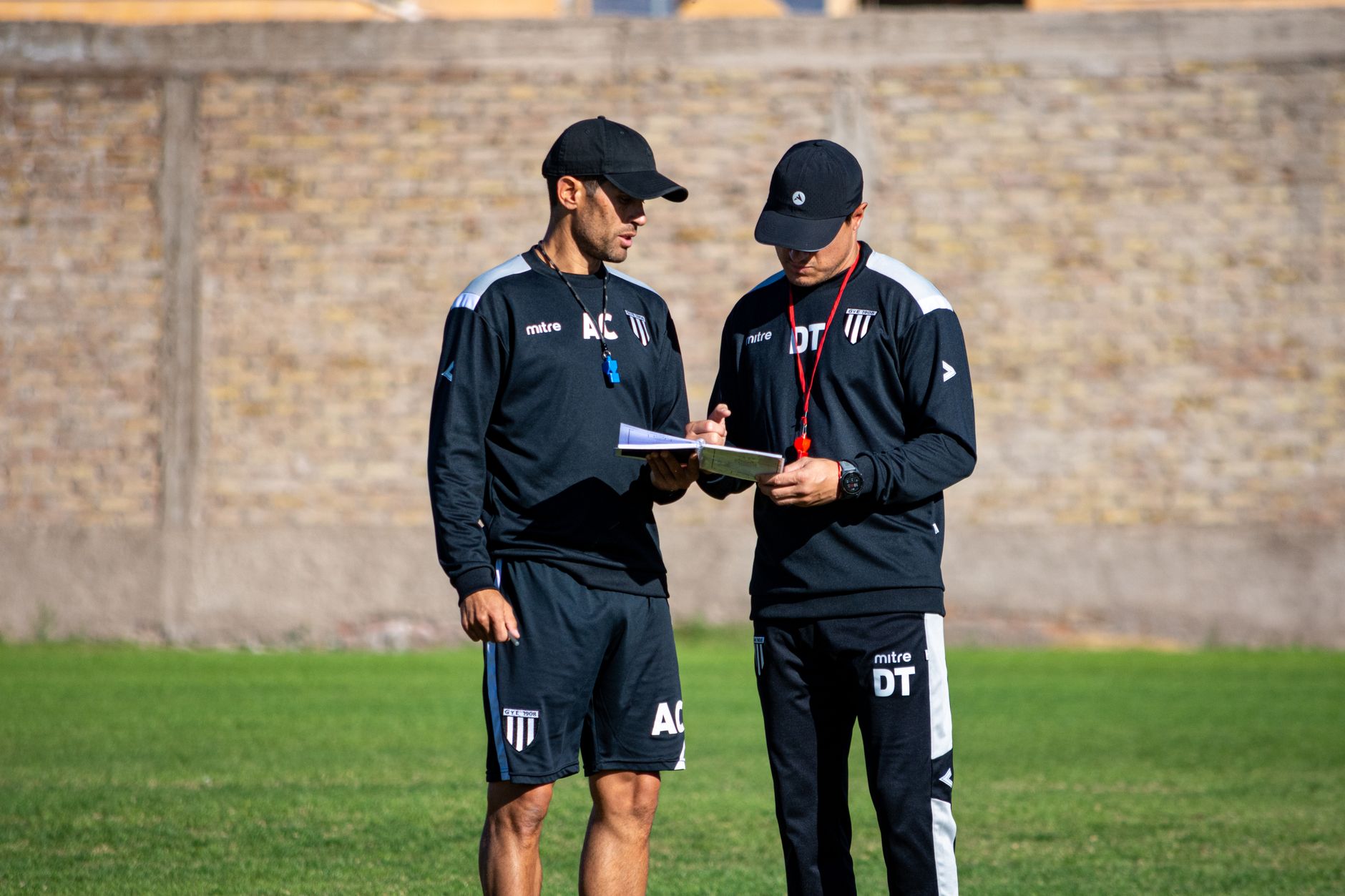
Photo by Franco Monsalvo on Pexels
Which Player Data Matters Most for Match Betting?
Player data matters most when it connects availability, role, and output to the betting market. For 2026 World Cup match betting, minutes load, injury status, expected goals contribution, defensive actions, and goalkeeper shot-stopping are more useful than reputation or total career goals alone.
First, availability should be checked before any tactical assumption is trusted. A national team’s system can change significantly if one ball-progressing center-back, one holding midfielder, or one high-volume winger is unavailable. Then, assess role stability: a forward scoring regularly for a club may be less valuable if his national side asks him to press wide rather than attack central zones. Finally, compare player data with market movement. If odds shorten only after a famous striker scores in a friendly, but the underlying chance quality remains ordinary, the market may be paying for narrative rather than probability.
A useful practitioner-level edge is to monitor substitution patterns from the final three competitive windows before the tournament. Many public previews list a likely starting XI, but fewer track which players are trusted at 60-75 minutes when managers protect a lead or chase a goal. In World Cup betting, that matters because late substitutions can change totals, corners, cards, and both-teams-to-score markets. Another overlooked edge is goalkeeper workload quality. A keeper with a high save percentage against low-value shots may be less reliable than one facing fewer but higher-quality attempts and still preventing goals above expectation. For related methods, see our [Internal Link: player stats betting checklist].
#2 Player Data: Best for Match-by-Match Use
Player data ranks second because it is more responsive than broad tournament narratives. A futures bet placed three months before the 2026 FIFA World Cup may rely on squad depth, but a match bet on the day should account for confirmed lineups, tactical roles, and player condition. For example, England’s attacking depth, France’s transition speed, Argentina’s possession rhythm, and Spain’s midfield control all mean different things depending on who starts and how recently those players completed demanding club seasons. The best approach is sequential: first verify the squad list, then check the likely XI, then evaluate whether odds still reflect outdated assumptions.
The trade-off is that player data can become noisy when bettors chase too many metrics. Shot volume, pass completion, and tackle totals are not equally predictive across roles. A full-back in a possession-heavy team may produce high pass numbers without creating danger, while a winger with fewer touches may generate the match’s best chance. Tactical Review therefore weighs role-adjusted data more heavily than raw totals. We also treat travel context as a hidden variable in 2026 because matches across the United States, Canada, and Mexico can involve climate changes, altitude considerations, and recovery challenges. Mexico City, for instance, sits at high elevation, which may affect pressing intensity and late-game fatigue more than a typical neutral-site preview suggests.
Photo by Omar Ramadan on Pexels
What Is the Best Value Angle in World Cup Football Betting?
The best value angle is market discipline: backing probabilities only when the available odds are better than your assessed price. In 2026 world cup football, value may appear in underdog handicap lines, set-piece props, and totals when public money overreacts to famous teams.
First, create a fair probability before viewing the final price if possible. Then compare that estimate with the sportsbook’s implied probability after accounting for margin. Finally, avoid forcing a bet simply because the match is important. This process sounds basic, but it is where many World Cup bettors lose discipline. High-profile matches involving Brazil, Argentina, France, England, Mexico, and the United States often attract patriotic or casual money, which can distort prices. A team can be likely to win and still be a poor bet if the odds are too short.
The information-gain point for 2026 is that expanded-format group dynamics may create unusual incentives late in the first phase. A favorite already positioned to advance may rotate heavily, while a third-place hopeful may need goal difference, cards discipline, or a specific result from another match. That affects Asian handicap lines, second-half totals, and player card markets. The FIFA competition format has shifted several times in World Cup history, and 2026’s 48-team structure is the largest men’s edition yet. Because of that, Tactical Review will treat final group-round matches as scenario-based events rather than simple strength-versus-strength contests. For a deeper market framework, check our [Internal Link: odds movement and implied probability explainer].
#3 Market Value: Best Value
Market value ranks third not because it is less important, but because it depends on the first two categories being done properly. Without tactical form and player data, a bettor has no reliable independent probability to compare against the market. Once those inputs are clear, value analysis becomes powerful. For example, if Spain’s midfield control suppresses opponent shots but the public focuses on a lack of traditional striker output, under markets or Spain draw-no-bet positions may be more rational than a headline win bet. If the United States benefits from home-region conditions but faces a compact opponent with set-piece strength, a corners or cards market may be more informative than a moneyline.
The trade-off is emotional restraint. World Cup football creates intense national narratives, especially in host markets like the United States, Canada, and Mexico. Betting value often requires passing on matches where the story is compelling but the number is poor. Tactical Review’s calm approach is to log every projected price, every closing price, and every result. Over a full tournament, the goal is not to predict every upset; it is to consistently take positions where the available odds are stronger than the modeled probability. That distinction separates analysis from entertainment and helps readers avoid chasing losses after dramatic stoppage-time outcomes.
Before tournament volatility increases, use Tactical Review to compare data-led prices against the market.
How We Ranked Them
We ranked the three world cup football angles using a weighted model designed for 2026 betting decisions. The criteria were repeatability, market timing, injury sensitivity, public bias resistance, and usefulness across group-stage and knockout matches. The final weights were deliberately conservative: tactical form received 40%, player data received 35%, and market value received 25%. That does not mean market value is optional; rather, it means value analysis is strongest only after the underlying football assessment has been built.
The ranking method follows a first-then-finally sequence. First, we scored each angle for predictive stability across 104 matches, including likely mismatches in the expanded group phase. Then, we assessed how quickly each angle can be updated when news changes, such as a late injury, rotation hint, or confirmed lineup. Finally, we evaluated how each angle protects readers from common betting errors, including overrating previous World Cup winners, underrating travel and climate, and betting national loyalty instead of price. The biggest limitation is that no model can fully account for red cards, penalties, or short-sample finishing variance. Therefore, Tactical Review treats rankings as decision support, not certainty.

Photo by Tima Miroshnichenko on Pexels
Which Should You Pick?
Most readers should start with tactical form, add player data once lineups become clearer, and use market value as the final filter before betting. This order works because it moves from football truth to player-specific evidence to price discipline, reducing emotional decisions around major World Cup matches.
If you are a casual fan, pick tactical form as your main guide because it improves how you watch matches even without betting. If you are a match-day bettor, prioritize player data in the final 24 hours before kickoff, especially confirmed lineups, injury updates, and role changes. If you already understand odds, focus on market value and implied probability, because the best football opinion is still unprofitable if entered at the wrong price. Tactical Review’s recommendation is to combine all three but never reverse the order. First understand the match, then quantify player effects, and finally decide whether the odds justify action.
The conclusion is measured: no single method guarantees profit in 2026 world cup football, but a structured process reduces avoidable mistakes. The expanded 48-team FIFA World Cup will create more matches, more public betting interest, and more pricing variation than previous editions. Tactical form gives the strongest foundation, player data sharpens timing, and market value determines whether an opinion becomes a bet. For readers following the 2026 World Cup daily, Tactical Review offers a practical way to connect football analysis with disciplined betting choices. For more preparation, visit our [Internal Link: 2026 World Cup team previews].
Ready to follow the 2026 tournament with sharper tactical and betting context?
Frequently Asked Questions
Q: What is world cup football?
A: World cup football refers to the FIFA World Cup, the senior men’s international tournament contested by national teams. The 2026 edition will be hosted by the United States, Canada, and Mexico from June 11 to July 19. It will feature 48 teams and 104 matches, making it the largest men’s World Cup to date.
Q: How do I analyze a 2026 World Cup match before betting?
A: Start with tactics, then check player data, and finally compare your view with the odds. Review pressing structure, defensive transition control, confirmed lineups, injury news, and implied probability. If your assessed probability is not better than the sportsbook price, passing the match is usually the disciplined choice.
Q: What is the difference between tactical analysis and player stats?
A: Tactical analysis studies how a team functions collectively, while player stats measure individual output and role performance. Tactical analysis explains spacing, pressing, and build-up patterns; player stats show minutes load, expected goals, assists, defensive actions, and goalkeeper performance. The strongest World Cup previews use both rather than treating them as substitutes.
Q: Is betting on World Cup favorites worth it?
A: Betting on favorites is worth it only when the odds still offer value after adjusting for true probability. Famous teams such as Brazil, France, Argentina, England, and Spain often attract public money, which can shorten prices. A favorite can be the most likely winner but still be a poor bet if the market has overreacted.
Q: What should I do if my World Cup prediction fails early?
A: Stop chasing immediately and review whether the process or only the result was wrong. A good bet can lose because of a red card, penalty, or finishing variance, while a bad bet can win by luck. Track your projected odds, closing odds, stake size, and reasoning to identify repeatable errors.
Q: How much money do I need to bet on world cup football?
A: You do not need a fixed amount, but each stake should be small relative to your total bankroll. A common disciplined range is 1% to 2% of bankroll per standard position, with smaller stakes for high-variance props. Never bet money needed for expenses, and always follow the legal gambling rules in your jurisdiction.