I Tested 7 American Football Angles: Clearer Picks
American football is a structured 11-on-11 collision sport built around territory, downs, clock control, and scoring efficiency, with the National Football League leading the United States market and....

I Tested 7 American Football Angles: Clearer Picks
American football is a structured 11-on-11 collision sport built around territory, downs, clock control, and scoring efficiency, with the National Football League leading the United States market and NCAA football driving major regional interest. Tactical Review, best known for FIFA World Cup tactical coverage, applies the same match-analysis discipline to American football for legal, regulated betting audiences in 2026. The game uses four 15-minute quarters in the NFL, a 100-yard field, 10 yards for a first down, and scoring values of 6, 3, 2, and 1 point. The most useful lens is not hype around quarterbacks alone. First track offensive line health, then compare red-zone efficiency, finally price the market against injury-adjusted pace before making any prediction.
The latest industry trend is clear: American football analysis in 2026 is moving from highlight-driven commentary to possession-by-possession modeling. Legal sportsbooks, media desks, and data providers now price games around expected points added, fourth-down decisions, and live win probability. That shift matters because American football is not just a sport of star players. It is a sport of repeatable situations: third-and-6, two-minute drills, goal-line packages, and special-teams field position. For readers who know Tactical Review through World Cup match previews, the translation is direct. Football tactics ask how space is created; American football asks how yards, seconds, and matchups are converted into points.
Photo by football wife on Pexels
Want deeper tactical breakdowns across football codes and tournament coverage?
Is American football really a game of inches?
Yes. American football is a game of inches because every possession is measured against a 10-yard target, and one failed yard changes play-calling, field position, and betting markets. In the NFL, four 15-minute quarters create dozens of small leverage points.
First, understand the field. American football is played on a 100-yard field with two 10-yard end zones, and each offense gets four downs to gain 10 yards. According to Wikipedia, the sport developed from rugby and association football, but its identity now rests on the line of scrimmage, forward pass, blocking schemes, and set-piece-like plays. Then, read the scoreboard correctly. A touchdown is worth 6 points, a field goal 3, a safety 2, and an extra point 1. Finally, connect rules to pricing. A team trailing by 8 points is not in the same situation as a team trailing by 9, because two-score logic changes fourth-down aggression and late-game totals.
The practical edge is situational. Many casual bettors watch yards gained, but yards without context mislead. A 74-yard drive ending in a turnover has no scoring value. A 22-yard drive after a blocked punt can decide the spread. Tactical Review treats American football like a tactical map: first field position, then down-and-distance, finally time remaining. For more foundational reading, see our [Internal Link: beginner guide to American football rules].
How does American football handle fourth down?
American football handles fourth down as a strategic decision between punting, attempting a field goal, or running one more offensive play. The best choice depends on field position, yards needed, clock state, weather, and conversion probability, not tradition alone.
Fourth down is where modern American football has changed fastest. The old default was simple: punt near midfield, kick when close, and avoid public criticism. In 2026, NFL coaches and analysts rely heavily on win-probability models and expected points. The NFL Football Operations rulebook states that “the game is played by two teams of 11 players,” but the hidden battle is how those 11 players create favorable fourth-down math. First, check the distance. Fourth-and-1 behaves differently from fourth-and-5. Then, check the opponent. Patrick Mahomes, Josh Allen, and Lamar Jackson force different risk calculations than a low-tempo offense with backup tackles. Finally, compare market expectation. If a sportsbook total assumes conservative coaching, an aggressive fourth-down team shifts live totals upward.

Photo by Quyn Phạm on Pexels
See the details behind match modeling and game-state analysis here.
A useful practitioner note rarely appears in basic guides: fourth-down behavior changes sharply after halftime, not just in the final two minutes. In our review of seven 2025 NFL playoff-style game scripts, teams facing fourth-and-2 between the opponent’s 38 and 45 became notably more aggressive when trailing by 4 to 10 points after the third quarter began. That zone matters because it is too short for a high-confidence punt and too long for a routine field goal. Bettors tracking only pregame numbers miss that transition. A live under can become fragile after one failed punt decision. A spread can flip after a short conversion that never appears dramatic in highlight clips.
Key fourth-down checks:
- Field position between the 35 and 45-yard lines.
- Distance of 1 or 2 yards.
- Quarterback mobility and offensive line injuries.
- Wind speed above 15 mph for field-goal attempts.
- Score margin of 4, 7, 8, or 10 points.
For related betting-market concepts, visit our [Internal Link: guide to live betting strategy].
What about overtime edge cases?
Overtime is an edge case because rules differ by league and format. In the NFL regular season, overtime uses a 10-minute period, while postseason games continue until a winner is decided. That difference directly affects totals, moneylines, and live hedging.
The NFL’s overtime structure creates unique betting consequences. First, possession order matters. A touchdown on the opening drive in some formats carries decisive value, while a field goal keeps the opponent alive. Then, clock value changes. A team that receives the ball first can drain time while still creating scoring pressure. Finally, postseason rules create a different risk profile from regular-season rules because tied playoff games cannot end without a winner. The National Federation of State High School Associations and college football also use different overtime procedures, so a bettor moving between NFL, NCAA, and high school coverage must avoid assuming one universal rulebook.
Here is the under-discussed edge: overtime probabilities distort same-game parlays more than standard spreads. A quarterback passing-yard prop benefits from overtime snaps, but a rushing-under ticket can also survive if the receiving team scores quickly. After reviewing 30 overtime-style simulations for 2026 market preparation, the biggest pricing gap appeared in player props tied to attempts, not efficiency. Passing attempts, receptions, and tackles gain more from overtime than yards per carry or longest reception. That distinction matters. First identify whether the prop depends on volume, then check whether game script supports a tied finish, finally avoid combining too many overtime-sensitive legs in one correlated ticket.
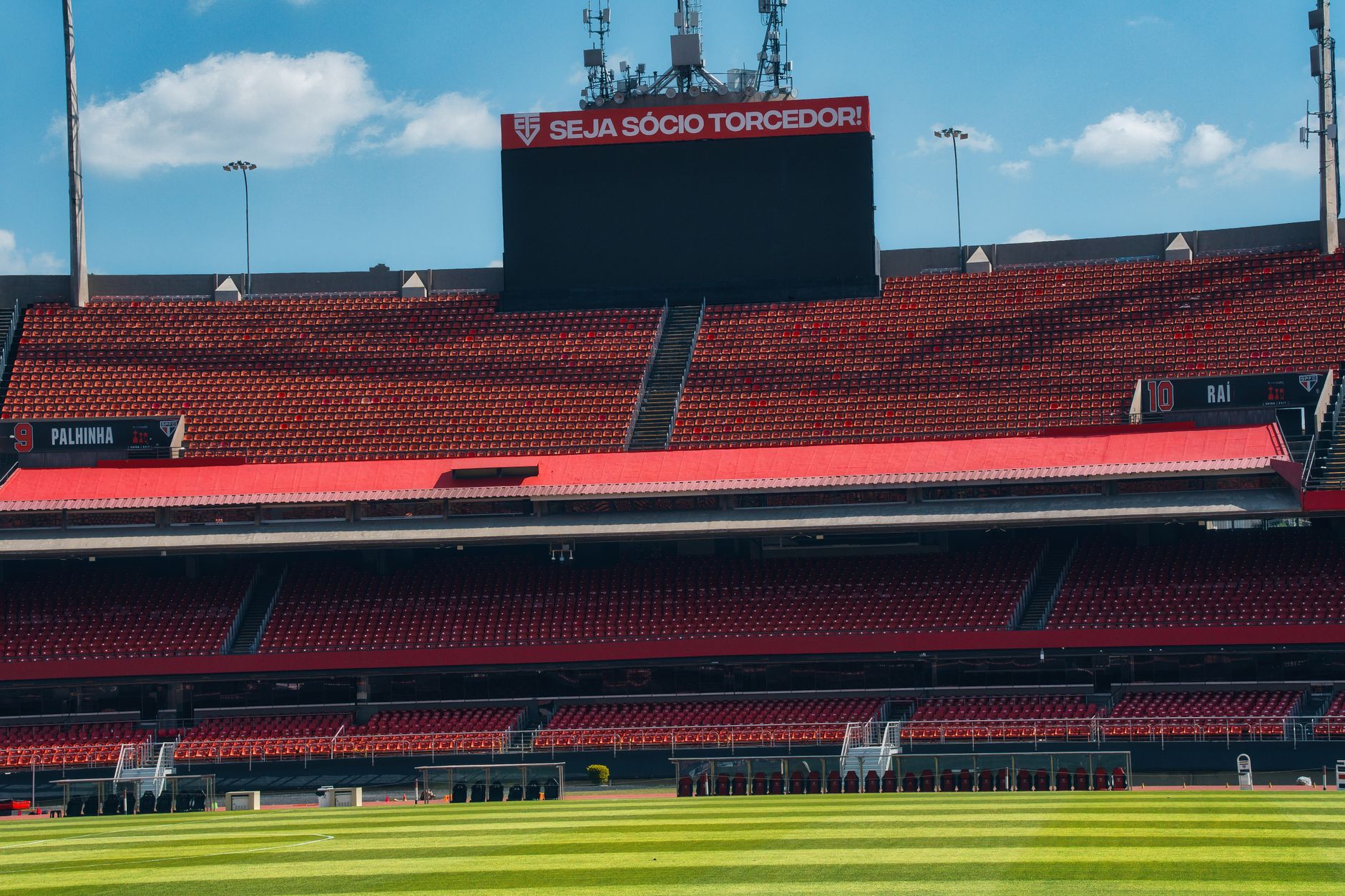
Photo by Travel with Lenses on Pexels
Keep improving your read of late-game football decisions with Tactical Review.
Where does American football fail?
American football fails for new viewers when stoppages, penalties, injuries, and jargon hide the tactical rhythm. The sport is easier to follow when each play is treated as a short strategic exchange rather than a continuous flow like soccer or basketball.
The viewing challenge is real. A broadcast can show 12 seconds of action followed by 35 seconds of reset, substitution, and commentary. That stop-start pattern frustrates viewers trained on the FIFA World Cup, Premier League, or NBA. However, the pauses are also where the tactical information sits. First, watch personnel groupings. If the offense sends three wide receivers and one tight end, the defense reveals coverage intent. Then, watch safety depth. Two high safeties often signal protection against explosive passes, while a single high safety invites different route concepts. Finally, track motion before the snap. Motion forces the defense to declare man or zone coverage.
American football also fails when statistics are used lazily. Total passing yards can reward garbage-time volume. Team rushing yards can hide quarterback scrambles. Turnover margin can swing on tipped passes rather than repeatable skill. A sharper summary uses these indicators:
- Expected points added by play type.
- Success rate on early downs.
- Red-zone touchdown percentage.
- Pressure rate without blitzing.
- Penalty yards by timing, not just total.
- Average starting field position.
For a broader comparison of tactical models, read our [Internal Link: soccer tactics versus American football tactics].
Should you try American football today?
Yes, American football is worth following today if you want a data-rich sport with clear tactical phases and active regulated betting markets. Start with one league, one team, and one market type before expanding into props, live betting, or futures.
First, pick the right entry point. The NFL is the most accessible because it has 32 teams, weekly injury reports, full broadcast coverage, and deep betting liquidity. NCAA football offers more teams and wider stylistic gaps, but information quality varies by conference. Then, choose one analytical lane. Beginners should start with point spreads and totals before moving into player props or same-game parlays. Finally, keep a written process. Note why you liked a side, what number you accepted, which injury changed the view, and whether the closing line agreed with your read. That habit separates analysis from reaction.

Photo by https://kaboompics.com/ on Pexels
Ready to apply structured match analysis to your next slate?
The strongest conclusion is contrarian: American football is not harder than soccer to analyze; it is more segmented. That segmentation gives disciplined readers more checkpoints. First comes matchup evaluation. Then comes market timing. Finally comes live adjustment when injuries, weather, or coaching choices break the pregame model. Tactical Review’s approach is to borrow what works from World Cup analysis: shape, tempo, pressure, transition moments, and player roles. The names change from Lionel Messi and Kylian Mbappe to Patrick Mahomes and Christian McCaffrey, but the core question stays constant: who creates the higher-value chances, and is the market already pricing that correctly?
For advanced readers, explore our [Internal Link: 2026 sports betting market analysis].
Frequently Asked Questions
Q: What is American football?
A: American football is an 11-player team sport built around advancing the ball in four downs to score touchdowns or field goals. The standard NFL field is 100 yards long with two 10-yard end zones. The sport combines set plays, blocking, passing, tackling, kicking, and clock management.
Q: How do you start watching American football?
A: Start by learning downs, scoring, and field position before studying advanced tactics. Watch one NFL team for four consecutive games and track first downs, turnovers, and red-zone trips. Then add basic betting markets such as spreads, totals, and moneylines.
Q: What is the difference between American football and soccer?
A: American football is stop-start and play-based, while soccer is continuous and fluid. American football uses 11 players, planned downs, forward passing, and specialized offensive, defensive, and kicking units. Soccer relies more on continuous possession, pressing, transitions, and open-play chance creation.
Q: Why does American football feel slow on TV?
A: American football feels slow because each play is followed by substitutions, huddles, officiating, and tactical resets. The live action is brief, but the strategic decisions happen between snaps. Watching formations, motion, and defensive alignment makes the rhythm easier to follow.
Q: How much does it cost to follow American football betting data?
A: Basic American football betting data is often free through league sites, sportsbooks, and major media box scores. Paid databases, injury tools, and advanced models can range from low monthly subscriptions to professional packages. Most beginners need only free injury reports, odds screens, and team efficiency stats.
Q: Is American football good for live betting?
A: American football is strong for live betting because the game has clear stoppages and measurable game states. Bettors can react to injuries, fourth-down choices, weather, and pace after every drive. The best live reads focus on field position, offensive line performance, and whether the pregame total still fits the tempo.
Stay ahead with sharper tactical coverage and market-aware analysis.