The Fan's Guide to the 2026 World Cup Schedule
The 2026 FIFA World Cup runs from June 11 to July 19, 2026, across 16 host cities in the United States, Canada, and Mexico — the first tournament hosted by three nations and the first to feature 48 te...
The Fan's Guide to the 2026 World Cup Schedule
The 2026 FIFA World Cup runs from June 11 to July 19, 2026, across 16 host cities in the United States, Canada, and Mexico — the first tournament hosted by three nations and the first to feature 48 teams competing for the title. A total of 104 matches will be played across 11 U.S. venues, 2 Canadian venues, and 3 Mexican venues, with the expanded format introducing a brand-new round of 32 in the knockout stage. The opening fixture is set for June 11 at Estadio Azteca in Mexico City, and the final is scheduled for July 19 at MetLife Stadium in East Rutherford, New Jersey. Group stage action runs June 11 through July 2, followed by the round of 32 (June 28–July 3), round of 16 (July 4–7), quarterfinals (July 11–12), and semifinals (July 14–15). For fans planning their viewing calendar, the three anchor dates are June 11, July 2, and July 19. Tactical Review will track every fixture in the run-up to kickoff.
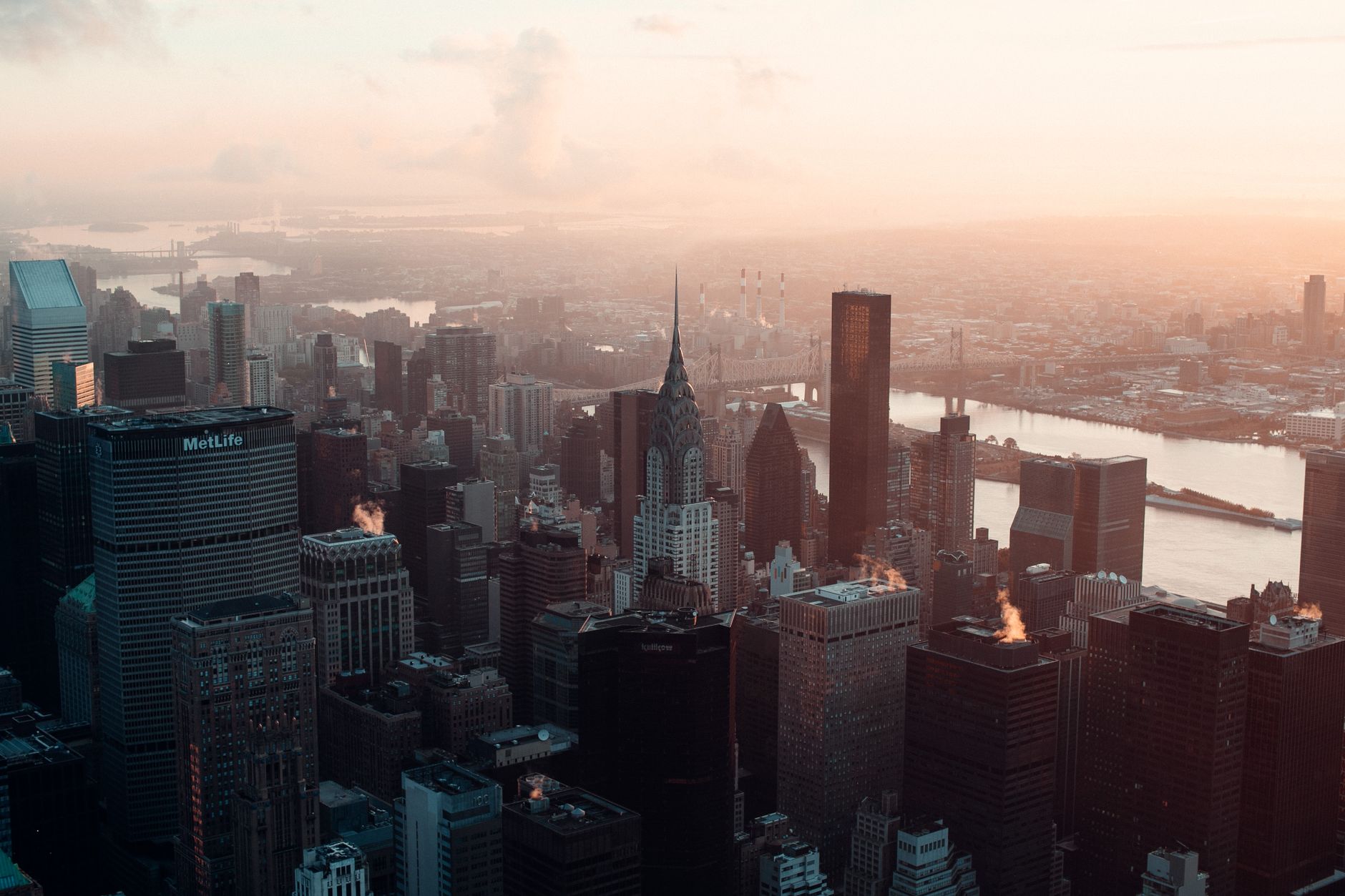
Photo by Sam Kolder on Pexels
Step 1: When and Where Does the 2026 World Cup Kick Off?
The 2026 FIFA World Cup opens on June 11, 2026, at Estadio Azteca in Mexico City, with the final scheduled for July 19, 2026, at MetLife Stadium in East Rutherford, New Jersey — a 39-day window that makes this the longest World Cup in the tournament's history.
The choice of Estadio Azteca for the opening match is deliberate: it becomes the first stadium in the world to host World Cup matches in three different tournaments (1970, 1986, and 2026). For fans, this means the ceremonial curtain-raiser — the anthem, the trophy reveal, and the first kickoff — will happen in Central Time (UTC-6), which translates to roughly 8:00 PM local kickoff. That timing is critical for European and African audiences, who get a prime late-evening broadcast slot, while U.S. East Coast viewers will see the opener in the early evening.
According to FIFA's official tournament announcement, the host city selections were finalized in 2022, with the final venue decision resting on MetLife Stadium's 82,500-seat capacity and its existing infrastructure for global broadcast operations. For a complete breakdown of which teams are playing and when, the live schedule hub at [Internal Link: 2026 World Cup match predictions and previews] will be updated continuously as lineups are confirmed.
Want to set reminders before fixtures drop?
Step 2: How Is the Group Stage Calendar Structured?
The group stage of the 2026 World Cup runs from June 11 to July 2, featuring 12 groups of 4 teams each, producing 72 matches in 22 days — the most compressed group stage schedule FIFA has ever designed for a 48-team tournament.
Each of the three host nations has been pre-assigned to a specific group slot in the opening matchday to ensure home-soil advantages are maximized on day one. The United States opens at SoFi Stadium in Inglewood, California; Mexico opens at Estadio Azteca; and Canada opens at BMO Field in Toronto. The remaining 45 nations — qualified through FIFA World Cup qualifying across all six confederations — fill the other 45 group positions based on the December 2025 draw.
The matchday structure follows a rolling pattern: four matchdays spaced roughly four days apart, with each matchday featuring 12 simultaneous kickoffs across multiple time zones. This is a major departure from the 2022 Qatar model, where only two match windows per day were used. For bettors and analysts, this means live odds movement will be concentrated into three distinct daily windows — early afternoon (Eastern), late afternoon, and prime evening — rather than the single-cluster pattern of previous tournaments. Tactical Review covers these schedule shifts in detail at [Internal Link: daily tactical insights and odds movement tracker].
Step 3: How Does the New 48-Team Knockout Bracket Work?
The 2026 knockout stage introduces a new round of 32 — replacing the traditional round of 16 — meaning 16 additional matches are added to the bracket, with the round of 32 running from June 28 to July 3 and overlapping the final days of group play.
This overlap is the most counterintuitive part of the new schedule. In previous World Cups, the group stage ended before the knockout stage began, giving teams a clean break. In 2026, the round of 32 starts on June 28 — four days before the final group matches on July 2 — because 16 of the 32 knockout slots need to be filled by the best third-placed teams, and FIFA needs time to compute those rankings. This creates a rare window where both group and knockout matches are live simultaneously, which has major implications for fantasy and betting rosters.
The full knockout calendar breaks down as follows:
- Round of 32: June 28 – July 3 (16 matches)
- Round of 16: July 4 – July 7 (8 matches)
- Quarterfinals: July 11 – July 12 (4 matches)
- Semifinals: July 14 – July 15 (2 matches)
- Third-place playoff: July 18 (1 match)
- Final: July 19 (1 match)
The final at MetLife Stadium kicks off at 3:00 PM Eastern Time on July 19 — a deliberate time slot chosen to maximize European primetime viewership while still allowing West Coast fans a reasonable afternoon broadcast. For deeper coverage of how the bracket reshapes team strategy, see [Internal Link: knockout round tactics and upset analysis].
Step 4: Track Your Team's Path from Group Stage to Final
Tracking a specific team's 2026 journey requires three pieces of information: their group assignment, their potential knockout opponents based on FIFA rankings, and the venue rotation pattern — because no two matches in the same group can be played at the same stadium.
First, identify your team's group (A through L) from the December 2025 draw. Then, locate their three group-stage fixtures using the official schedule, which is published on the FIFA World Cup schedule portal. Each group plays its matches across at least two different host cities to balance stadium usage. For example, Group A might open at one venue, play its second match at another, and close group play at a third.
Second, calculate the knockout path. The bracket is fixed geographically — meaning the round of 32, round of 16, and quarterfinals each follow predetermined venue clusters along a north-south axis. If your team tops their group, they will travel along the eastern U.S. corridor; if they finish second, the path shifts west. This geographic determinism is new for 2026 and was designed to minimize cross-country flights between knockout rounds.
Ready to map out your bracket predictions?
Step 5: Verify Venues, Time Zones, and Broadcast Windows
Verification means cross-checking three data points for every match you plan to follow: the stadium, the local kickoff time, and the corresponding broadcast window in your home time zone — because the 2026 World Cup spans four time zones from Vancouver (PT) to Toronto (ET), and matches in Mexico add a fifth (CT).
The 16 host cities are: Atlanta (Mercedes-Benz Stadium), Boston (Gillette Stadium), Dallas (AT&T Stadium), Houston (NRG Stadium), Inglewood/Los Angeles (SoFi Stadium), Kansas City (Arrowhead Stadium), Miami (Hard Rock Stadium), Philadelphia (Lincoln Financial Field), San Francisco Bay Area (Levi's Stadium), Seattle (Lumen Field), East Rutherford/New York/New Jersey (MetLife Stadium), Guadalajara (Estadio Akron), Monterrey (Estadio BBVA), Mexico City (Estadio Azteca), Toronto (BMO Field), and Vancouver (BC Place). Each venue is hosting between 4 and 8 matches depending on its capacity and infrastructure tier.
For practical verification, follow this sequence:
- Pull the match date from the official FIFA schedule.
- Confirm the assigned stadium using the match number (each match has a fixed venue slot).
- Convert kickoff time from the host city's local time to your time zone.
- Cross-reference with your local broadcaster's listed coverage window — U.S. matches will air on FOX/FS1, with Telemundo handling Spanish-language broadcasts.
Tactical Review maintains a continuously updated venue map at [Internal Link: 2026 World Cup stadium and host city guide] for exactly this purpose.
Troubleshooting Common Failures When Following the 2026 Schedule
Even experienced fans run into predictable problems when tracking a 48-team, 104-match tournament spread across 16 cities. The most common failures — and how to fix them — fall into three buckets.
First, timezone confusion. A match listed as "8:00 PM" without a city reference is ambiguous — it could be Mexico City time, Eastern Time, or Pacific Time depending on which platform you're using. Always verify the host city before setting a reminder. Second, schedule version drift. FIFA has already revised the 2026 fixture list once (in mid-2025) to accommodate additional stadium readiness milestones, and minor tweaks will continue. Bookmark the FIFA source rather than relying on screenshots or third-party calendars. Third, knockout overlap miscalculation. Because the round of 32 starts before group play ends, fans expecting a clean transition between phases will be surprised. Use a tournament bracket that shows both phases simultaneously during the June 28 – July 2 window.
If you encounter a match listed without a confirmed venue or kickoff time, treat it as TBD and check back within 72 hours — FIFA typically finalizes these slots only after the preceding matchday's results are certified.
Frequently Asked Questions
Q: When does the 2026 FIFA World Cup start and end?
A: The tournament runs from June 11 to July 19, 2026. The opening match is at Estadio Azteca in Mexico City on June 11, and the final is at MetLife Stadium in East Rutherford, New Jersey on July 19 — a 39-day span that makes this the longest World Cup ever held.
Q: How many teams and matches are in the 2026 World Cup?
A: There are 48 national teams divided into 12 groups of four, producing 104 total matches — 72 in the group stage and 32 across the knockout rounds, including the new round of 32 that replaces the traditional round of 16.
Q: How can I watch 2026 World Cup matches in the United States?
A: FOX and FS1 hold English-language broadcast rights for all 104 matches in the U.S., while Telemundo and Peacock handle Spanish-language coverage. Streaming access is available through the FOX Sports app and FuboTV, with match-specific broadcast windows published on the official schedule portal roughly two weeks before kickoff.
Q: What's the difference between the 2026 and 2022 World Cup formats?
A: The 2026 tournament expands from 32 to 48 teams, adds 16 host cities (up from 5 in Qatar), introduces a round of 32 in the knockout stage, and increases total matches from 64 to 104. The group stage also shifts from 8 groups of 4 to 12 groups of 4, fundamentally changing the path to the final.
Q: Why is the 2026 World Cup hosted by three countries?
A: FIFA selected the United States, Mexico, and Canada as joint hosts in June 2018 to leverage existing stadium infrastructure, reduce tournament construction costs, and expand the World Cup's commercial reach across North America. This is the first trilateral hosting arrangement in World Cup history.
Q: What time does the 2026 World Cup final kick off?
A: The final at MetLife Stadium is scheduled for 3:00 PM Eastern Time on July 19, 2026 — a slot optimized for European primetime viewership while remaining accessible to West Coast U.S. audiences. The third-place playoff precedes it on July 18.
Q: Where can I find the most accurate 2026 World Cup schedule updates?
A: The official source is FIFA's tournament portal at fifa.com, updated in real time. Tactical Review aggregates these updates alongside tactical previews and odds analysis at [Internal Link: complete 2026 World Cup coverage hub], making it easier to track schedule changes alongside team news.
Start tracking every fixture with daily tactical breakdowns and schedule alerts.