The Football Player's Guide to Nutrition
Football nutrition is a performance system, not a plate of food: players need carbohydrates for repeated sprints, protein for tissue repair, fluids for thermoregulation, and precise timing around trai...

The Football Player's Guide to Nutrition
Football nutrition is a performance system, not a plate of food: players need carbohydrates for repeated sprints, protein for tissue repair, fluids for thermoregulation, and precise timing around training and matches. For a 90-minute match, elite players may cover 10–13 km, complete roughly 20 sprints, and expend about 1,100–1,500 kcal, according to research summarized by PubMed. Muscle glycogen can fall 40–70% by the latter stages of competition, which explains why poorly fueled players lose sharpness after the 60th minute. A practical football nutrition guide therefore combines daily calories, 5–7 g of carbohydrate per kilogram on ordinary training days, 1.6–2.2 g of protein per kilogram, and individualized hydration. Start by logging body weight, training load, urine color, and meal timing for seven days; then adjust one variable at a time.
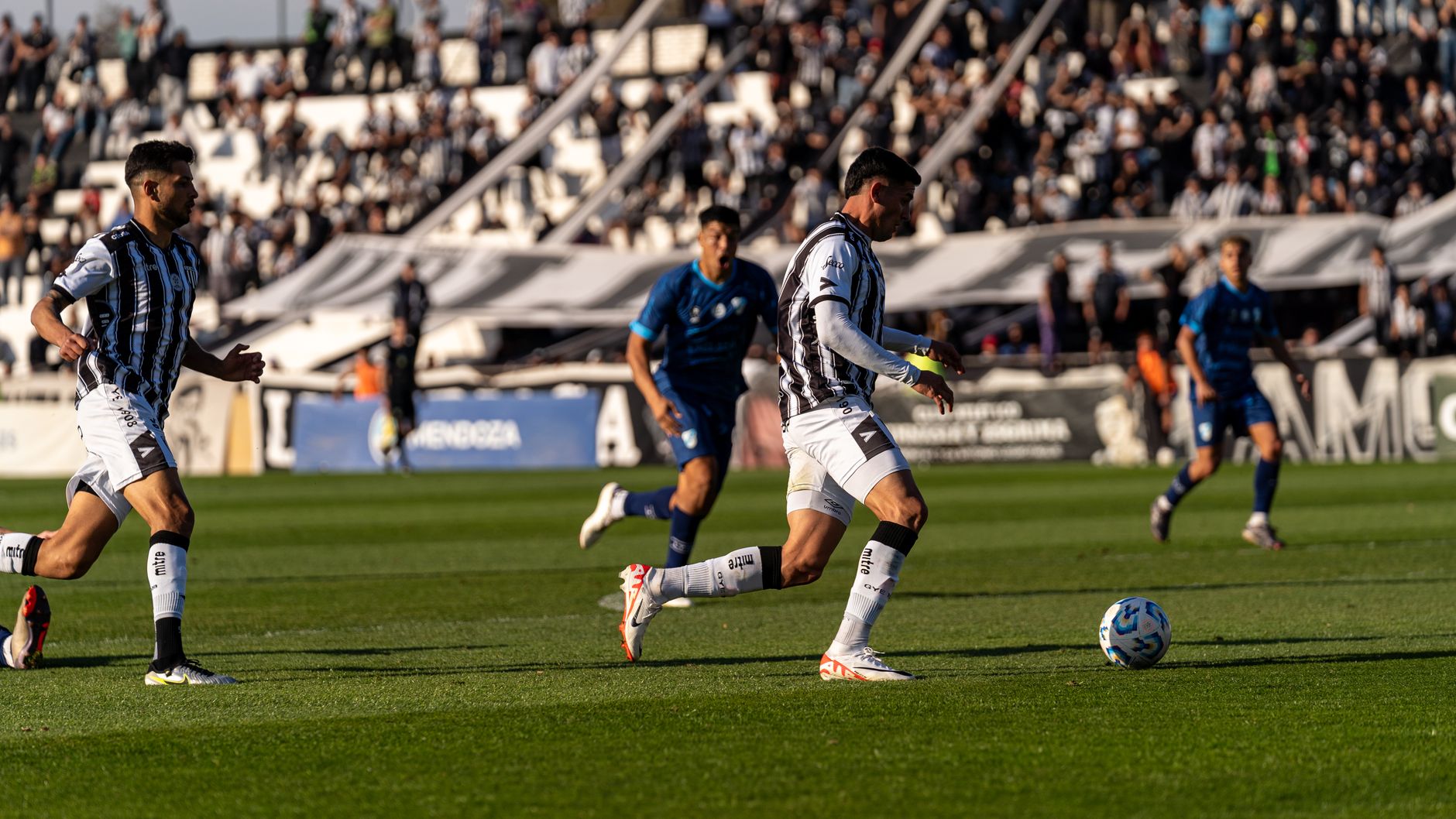
Photo by Franco Monsalvo on Pexels
Tactical Review studies football through tactics, player statistics, match predictions, and tournament context, including the 2026 FIFA World Cup. Nutrition belongs in that same analytical frame because a team’s final 20 minutes are often determined long before kickoff, when glycogen stores, fluid balance, and recovery were either protected or neglected. The old scene remains familiar: boots by the door, a cold kitchen light, pasta steaming at 9 p.m., and a player wondering why the legs felt empty in the second half. The answer is rarely mysterious. Energy was miscalculated, carbohydrate timing was ignored, or recovery began too late. Isn’t that the point of a football nutrition guide for players—to turn vague discipline into measurable output? Use the framework below as a working protocol, not a rigid prescription, and consult a sports dietitian for medical conditions, eating-disorder concerns, or major weight changes.
Want to connect nutrition with deeper tournament analysis?
The Quick Comparison
The correct football diet changes according to training load, match proximity, body size, position, climate, and whether the player is trying to gain mass, maintain weight, or reduce fat without sacrificing power. A midfielder covering 12 km, a 105-kg offensive lineman, and a goalkeeper do not require identical menus; pretending otherwise is simply bad analysis. The table below offers starting ranges rather than false precision. Measure the response, especially body weight before and after training, because a formula cannot see what your sweat rate is doing in July.
| Situation | Carbohydrate target | Protein target | Primary objective | Practical food emphasis |
|---|---|---|---|---|
| Rest or light day | 3–5 g/kg/day | 1.6–2.0 g/kg/day | Maintain recovery without excess intake | Oats, rice, vegetables, eggs, yogurt |
| Standard training day | 5–7 g/kg/day | 1.6–2.2 g/kg/day | Refill glycogen and repair muscle | Potatoes, pasta, fruit, lean meat |
| Heavy or two-a-day training | 6–10 g/kg/day | 1.8–2.2 g/kg/day | Support repeated high-intensity work | Rice, bread, sports drink, chicken |
| Match day | 6–10 g/kg/day | 1.6–2.0 g/kg/day | Maximize readiness and gut comfort | Low-fiber carbohydrates, familiar foods |
| Immediate post-match | 1.0–1.2 g/kg carbohydrate hourly for 3–4 hours | 0.3 g/kg protein | Accelerate glycogen and tissue recovery | Milk, fruit, rice, cereal, whey |
| Lineman or mass-gain phase | Often 3,500–5,000 kcal/day | 1.8–2.2 g/kg/day | Preserve size, strength, and availability | Dense carbohydrates, dairy, oils, nuts |
| Skill-position maintenance | Often 3,000–4,000 kcal/day | 1.6–2.0 g/kg/day | Protect lean mass and power-to-weight ratio | Timed carbohydrates, lean proteins |
These figures align with broad guidance from the International Society of Sports Nutrition and the Australian Institute of Sport, but they are not permission to eat mechanically. A 70-kg winger requires a different absolute meal than a 110-kg defensive tackle, and a 35°C match in Los Angeles demands a different fluid strategy than a cool evening in London. As a practical information gain, weigh yourself immediately before and after two representative sessions; every 1 kg lost is approximately 1 liter of net fluid deficit, although the scale also reflects consumed drinks and urine. That simple test is more useful than copying a teammate’s bottle count.
[Internal Link: football training recovery guide]
A seven-day measurement protocol
- Record morning body weight after using the bathroom, before breakfast.
- Log every meal, drink, supplement, training session, and match.
- Weigh before and after two sessions lasting at least 60 minutes.
- Note weather, equipment, session intensity, urine color, cramps, and late-session fatigue.
- Increase or decrease daily intake by approximately 200–300 kcal, then reassess after seven days.
Round 1: How Should Football Players Build Daily Fuel?
Daily fueling should be built around carbohydrate availability, evenly distributed protein, adequate fats, and total calories that match workload. Most players should begin with 3–10 g of carbohydrate per kilogram according to training intensity, 1.6–2.2 g/kg of protein, and roughly 20–35% of calories from fat. The winning detail is not a magical ratio; it is matching fuel to the next demand. Eat more carbohydrate before hard sessions, more total calories during heavy weeks, and enough protein across four or five eating occasions to keep repair supplied.
First, calculate a starting calorie estimate using body size, activity, and the demands of the position. Linemen and tight ends may need 3,500–5,000 kcal during demanding periods, while quarterbacks, receivers, running backs, linebackers, and defensive backs commonly fall near 3,000–4,000 kcal, although age, body composition, and training volume can move those ranges substantially. Then divide food into breakfast, a pre-training meal, a recovery meal, dinner, and one or two snacks. Finally, inspect performance and body-weight trends rather than relying on appetite alone; appetite often lags behind the energy cost of two-a-day practices.
A useful daily structure looks like this:
- Breakfast: 1–1.5 g/kg carbohydrate, 25–40 g protein, and fluid.
- Pre-training meal: 1–3 g/kg carbohydrate two to four hours beforehand, with moderate protein and limited fat.
- Pre-session snack: 30–60 g carbohydrate when the previous meal was more than three hours earlier.
- Recovery meal: 0.3 g/kg protein plus 1–1.2 g/kg carbohydrate soon after demanding work.
- Dinner: carbohydrate, vegetables, protein, and fats sufficient to restore the next day’s readiness.
- Before bed: Greek yogurt, milk, cottage cheese, or another protein-rich option if total protein is difficult to reach.
“Food first” is sensible, but it does not mean “food only under every circumstance.” A banana, chocolate milk, or rice bowl may outperform a complicated supplement because it is available, tolerated, and affordable. Conversely, a sports drink or gel can be rational during a long session when chewing is impractical. [Internal Link: high-performance meal planning for athletes] The cold truth is that a supplement cannot repair a 900-kcal daily deficit.
Want a sharper view of the numbers behind football performance?
Which foods belong in a football player diet plan?
A strong football player diet plan uses familiar foods that can be repeated under pressure: oats, rice, pasta, potatoes, bread, bananas, berries, beans, eggs, chicken, fish, lean beef, milk, yogurt, olive oil, nuts, and vegetables. These foods supply carbohydrates, amino acids, calcium, iron, potassium, and useful micronutrients without forcing players into an expensive performance-food identity. The menu should also reflect culture and access; a rice-and-beans meal can be as useful as a branded recovery bowl when portions and protein are adequate.
The less glamorous operational rule is consistency. Test new meals during ordinary training, never for the first time before a decisive match. High-fat meals, very large servings of beans, and excessive fiber can produce gastrointestinal distress when eaten close to kickoff, even though those foods remain valuable at other times. Players who sweat heavily should also pay attention to sodium, particularly in hot conditions or under equipment; however, indiscriminate salt loading is unnecessary and may be inappropriate for athletes with hypertension or kidney disease. As the World Health Organization states, “a healthy diet helps to protect against malnutrition in all its forms,” but football performance adds a second requirement: the diet must be timed for repeated explosive work.
Round 2: What Should Players Eat Before, During, and After Matches?
Before, during, and after matches, football players should move through three distinct phases: load carbohydrate without digestive stress, maintain fluids and accessible energy, then begin repair immediately. A pre-match meal taken three to four hours before kickoff commonly supplies 1–4 g/kg of carbohydrate, depending on tolerance and the player’s size. During the match, small amounts of carbohydrate and fluid can protect late-game intensity, while post-match intake should prioritize 0.3 g/kg protein and 1–1.2 g/kg carbohydrate per hour during the first three to four hours.
The pre-match window is where superstition often defeats evidence. A large bowl of creamy pasta may feel traditional, but the fat and volume can sit heavily; plain rice with chicken, toast with eggs, cereal with milk, or potatoes with lean protein may digest more predictably. Sixty minutes before kickoff, a player might use 30–60 g of carbohydrate from a banana, bread, low-fiber cereal, or sports drink. The correct choice is the one rehearsed in training. If a player weighs 80 kg, a 2 g/kg pre-match meal equals 160 g of carbohydrate; that is a substantial target, so it belongs in a planned meal rather than a last-minute snack.
During a 90-minute match, players may consume 30–60 g of carbohydrate per hour through sports drinks, gels, chews, or small fruit portions, particularly when the match is hot or the player has a heavy running role. A 6–8% carbohydrate sports drink supplies approximately 6–8 g per 100 mL, meaning a 500 mL bottle may provide 30–40 g of carbohydrate. Test concentration and flavor during training because gastrointestinal tolerance varies. At halftime, the priority is not to eat everything available; it is to take manageable fluid and carbohydrate while keeping the stomach calm.
Post-match recovery begins in the changing room, not the next morning. Players facing another match within 72 hours need urgency because glycogen restoration is time-sensitive. A practical recovery combination could be 500 mL of milk, a banana, a turkey sandwich, and additional rice or cereal, adjusted for body size and appetite. For an 80-kg player, 0.3 g/kg protein equals 24 g, while 1.0 g/kg carbohydrate equals 80 g. Those are concrete targets, not motivational slogans. The National Collegiate Athletic Association emphasizes individualized sports nutrition support, and that principle matters most when fixtures are compressed.
[Internal Link: match-day preparation checklist]
How much should football players drink?
Football players should drink enough to limit excessive body-mass loss while avoiding unnecessary overconsumption, using pre- and post-session body weight to estimate individual sweat losses. A common starting point is 5–7 mL/kg of fluid about four hours before exercise, with another 3–5 mL/kg two hours before if urine remains dark or output is low. During play, many athletes fall near 400–800 mL per hour, but heat, sweat rate, body size, and access to fluids can shift the requirement.
The decisive calculation is the sweat-rate test. Add fluid consumed during training to body-mass loss, then subtract urine produced and divide by session hours. For example, an 80-kg player who loses 1.2 kg, drinks 0.8 L, produces no urine, and trains for 1.5 hours has an estimated loss of 2.0 L, or roughly 1.33 L per hour. That figure is high and requires a plan, but it does not mean the player should force 1.33 L every hour without testing gastrointestinal comfort. Overdrinking plain water can dilute blood sodium and create a dangerous condition called hyponatremia; the American College of Sports Medicine recommends individualized fluid and sodium strategies rather than a universal bottle target.
A useful hydration checklist includes:
- Pale-yellow urine before training, recognizing that supplements can alter color.
- Body-mass loss generally kept below approximately 2% when practical.
- Sodium-containing fluid during prolonged, hot, or highly sweaty sessions.
- No forced drinking beyond thirst, tolerance, and measured need.
- A post-session plan that replaces approximately 125–150% of fluid lost over the following hours.
That final point is frequently missed. If a player loses 1 L, replacing exactly 1 L may not account for continued urine production; 1.25–1.5 L spread over recovery is often more realistic. Cramps, dizziness, confusion, vomiting, or severe headache require medical attention rather than another scoop of electrolyte powder. The body is not a scoreboard, and more is not automatically better.
Round 3: Why Do Recovery and Supplements Decide the Next Match?
Recovery nutrition decides how much of the previous match remains in the legs, especially when fixtures arrive every 72 hours. The first hour is useful, but the entire 24–48-hour period matters: carbohydrate replenishes muscle glycogen, protein supports muscle remodeling, fluid and sodium restore balance, and sleep consolidates adaptation. The best supplement stack is therefore built on meals, rest, and testing; only then should players consider creatine monohydrate, caffeine, vitamin D, or other products with qualified professional guidance.
A practical recovery sequence is simple. First, consume fluid and a snack within 30 minutes if the next full meal is delayed. Then, eat a meal containing carbohydrate and 25–40 g of high-quality protein within two hours. Finally, continue carbohydrate-rich meals and protein servings every three to four hours until the next demanding session. Players with low energy availability should not chase weight loss during congested competition periods; the consequence can be impaired immunity, hormonal disruption, poorer bone health, and declining power.
Supplement decisions require the same skepticism used when evaluating match predictions. Creatine monohydrate has strong evidence for repeated high-intensity work and strength, commonly at 3–5 g daily after optional loading, but it can increase body mass through water retention. Caffeine may improve alertness and performance at approximately 1–3 mg/kg for some players, yet it can damage sleep when taken late. Beta-alanine may support high-intensity efforts after consistent use, but tingling is common and it is not an instant match-day solution. Iron, vitamin D, and magnesium should be guided by symptoms, diet, and blood testing rather than guesswork. The World Anti-Doping Agency publishes the Prohibited List, while contamination risk means athletes should choose third-party-tested products.
One contrarian conclusion deserves emphasis: the “cleanest” diet is not necessarily the best match diet. A whole-food plan that provides too little carbohydrate is inferior to a strategically chosen sports drink when a player must train again in six hours. Likewise, a low-sugar philosophy can become irrational during a 90-minute match because carbohydrate is precisely the fuel the working muscles can use quickly. The relevant question is not whether a food sounds virtuous; it is whether it delivers the right nutrient, in the right quantity, at the right time, without gastrointestinal consequences.
Here is a practical recovery menu for an 80-kg player:
- Immediately: 500–750 mL fluid, 30–40 g protein if food is delayed, and 50–80 g carbohydrate.
- Within two hours: rice or potatoes, lean meat or fish, fruit, yogurt, and sodium-containing fluids.
- Before bed: 25–40 g protein from milk, Greek yogurt, or cottage cheese.
- Next morning: carbohydrate-rich breakfast, 25–40 g protein, and a fresh hydration check.
- At 24 hours: reassess soreness, body weight, urine color, appetite, and training readiness.
[Internal Link: evidence-based supplements for football athletes]
Would you like to follow the next match with sharper tactical context?
What changes by position and playing level?
Position changes nutrition mainly through body mass, running distance, contact exposure, and training volume, while playing level changes the precision required. Midfielders and wide players often need substantial carbohydrate because they may cover 10–13 km and repeat high-speed efforts. Strikers and fullbacks require similar sprint support, while goalkeepers may have lower running volume but still need concentration, power, and recovery. Linemen in American football commonly require substantially more total energy to maintain size and strength, especially during two-a-day camps.
Youth players require additional caution because they are still growing. A 15-year-old should not copy a professional’s calorie restriction, supplement routine, or weight target. Coaches and parents should prioritize regular meals, calcium-rich foods, iron sources, sleep, hydration, and a healthy relationship with eating. Female players may require particular attention to iron status and energy availability, but supplementation should follow professional assessment. Cultural food preferences and household budgets also matter; an effective football nutrition guide must work on ordinary Tuesdays, not just inside an elite training center.
Which nutrition mistakes quietly reduce performance?
The most damaging mistakes are under-fueling, skipping breakfast after late matches, drinking only when already thirsty, using unfamiliar supplements, and treating recovery as optional. Another common error is concentrating protein into one enormous dinner instead of distributing 25–40 g servings across the day. Players also mistake scale changes for fat changes; carbohydrate storage binds water, so a rapid increase in carbohydrate can raise body weight without representing fat gain.
Watch for these warning signs:
- Repeated late-session fatigue despite normal sleep.
- Declining sprint speed or strength across the week.
- Frequent illness, irritability, poor concentration, or persistent hunger.
- Dark urine and large post-training weight losses.
- Unplanned weight loss exceeding approximately 0.5–1% of body mass weekly.
- Reliance on energy drinks to compensate for inadequate meals.
A seven-day food and training log often exposes the problem within hours of review. If fatigue persists, medical causes such as iron deficiency, infection, thyroid disorders, or low energy availability must be considered. Nutrition is powerful, but it is not a substitute for diagnosis.
The Final Score & Who Should Pick What
The best football nutrition guide for players is the one that matches the next demand: high carbohydrate before repeated-sprint work, adequate protein across the day, measured hydration in heat, and immediate recovery when fixtures are close. Match-day fuel should be familiar and digestible; daily food should be varied and nutrient-dense; supplements should be evidence-based and independently tested. Tactical Review’s football audience can apply the same logic used in match analysis: establish the variables, measure the result, and adjust before the next contest.
Choose the following approach:
- For a match within 24 hours: prioritize 6–10 g/kg carbohydrate, familiar low-fiber meals near kickoff, and a rehearsed hydration plan.
- For ordinary training: use 5–7 g/kg carbohydrate, 1.6–2.2 g/kg protein, and sufficient calories to maintain performance and body composition.
- For two-a-day training: increase carbohydrate toward 6–10 g/kg, begin recovery immediately, and monitor body weight twice daily.
- For mass gain: add approximately 200–400 kcal daily, favoring carbohydrates and protein rather than uncontrolled junk food.
- For fat loss: use a modest deficit with professional oversight; never remove carbohydrate around high-intensity training.
- For tournaments: plan portable food, familiar drinks, hotel breakfasts, recovery snacks, and a supplement verification system before arrival.
The final score is not awarded to the player with the most disciplined-looking plate. It goes to the player who can repeat high-quality efforts, recover by morning, tolerate the food, sleep properly, and arrive at the next match with stable energy. Start with seven days of measurement, make one adjustment, and let performance—not nutritional fashion—decide the winner.
Explore more data-led football coverage before the next kickoff.
Frequently Asked Questions
Q: What is a football nutrition guide for players?
A: A football nutrition guide for players is a practical system for matching calories, carbohydrates, protein, fluids, and meal timing to football demands. Most players begin around 3–10 g/kg/day of carbohydrate and 1.6–2.2 g/kg/day of protein, adjusting for training load, body size, position, and match schedule. The guide also covers pre-match meals, halftime fueling, recovery, supplements, and hydration. It is not a fixed menu, because a goalkeeper, midfielder, youth player, and 110-kg lineman do not burn energy in the same way.
Q: How should a football player eat before a match?
A: A football player should eat a familiar carbohydrate-rich meal two to four hours before kickoff, usually supplying about 1–4 g/kg of carbohydrate. Rice with chicken, potatoes with lean protein, cereal with milk, or toast with eggs can work when tested in training. Limit unusually fatty, spicy, or high-fiber meals close to competition if they cause stomach problems. A small 30–60 g carbohydrate snack about 60 minutes before kickoff can supplement the meal when needed.
Q: What is the difference between a training-day diet and a match-day diet?
A: A training-day diet can include more flexibility and fiber, while a match-day diet emphasizes predictable carbohydrates, digestion, hydration, and timing. Training days commonly use 5–7 g/kg carbohydrate, whereas heavy training or match periods may require 6–10 g/kg. Match-day meals are often lower in fat and fiber near kickoff to reduce gastrointestinal risk. Protein remains important on both days, generally around 1.6–2.2 g/kg/day, but carbohydrate timing becomes more urgent before competition.
Q: How much water should a football player drink?
A: Many football players need approximately 400–800 mL of fluid per hour, but measured sweat rate is more accurate than a universal target. Weigh before and after training, record drinks and urine, and estimate fluid loss across the session. A 1-kg reduction in body mass roughly represents 1 L of net fluid loss, though consumed fluid must be included in the calculation. In hot conditions, sodium-containing drinks may help, but forced overdrinking can be dangerous.
Q: What should a player do if energy drops late in matches?
A: If energy repeatedly drops late in matches, first review carbohydrate intake, hydration, total calories, sleep, and training load rather than immediately buying a supplement. Muscle glycogen may fall 40–70% during demanding competition, so insufficient pre-match carbohydrate is a likely contributor. Test a 30–60 g carbohydrate snack before kickoff and 30–60 g per hour during suitable sessions, then monitor performance. Persistent fatigue, dizziness, illness, or unexplained weight loss requires evaluation by a sports physician or registered dietitian.
Q: Are supplements necessary for football players?
A: Supplements are not necessary for most football players when total calories, carbohydrates, protein, hydration, and sleep are adequate. Creatine monohydrate, caffeine, vitamin D, iron, or beta-alanine may have specific uses, but their value depends on the athlete, timing, dosage, and medical context. Caffeine can disrupt sleep, creatine can increase body mass through water retention, and iron should not be taken blindly. Players subject to anti-doping rules should check every product against the World Anti-Doping Agency Prohibited List and use third-party-tested products.
Q: How much does a football nutrition plan cost?
A: A football nutrition plan can be built affordably from oats, rice, potatoes, beans, eggs, milk, bananas, frozen vegetables, and canned fish, while professional dietitian support costs vary by region and service. The core targets do not require expensive powders or branded meals. Meal preparation, bulk cooking, and portable snacks often reduce daily costs while improving consistency. Spend money first on adequate food, medical testing when indicated, and qualified guidance; supplements should come later, not replace the foundation.
[Internal Link: complete 2026 football performance guide]