What Nobody Tells You About Beginner Cleats
The best football cleats for beginners are comfortable, correctly fitted boots matched to the playing surface, not necessarily the most expensive Nike, adidas, or PUMA model. For most new soccer playe...

What Nobody Tells You About Beginner Cleats
The best football cleats for beginners are comfortable, correctly fitted boots matched to the playing surface, not necessarily the most expensive Nike, adidas, or PUMA model. For most new soccer players in the United States, the Nike Premier 3, adidas Copa Pure 3 League, and PUMA Future 8 Play offer the strongest balance of traction, touch, durability, and price in 2026. Firm-ground cleats should be used on natural, dry grass, while artificial-ground or turf footwear is safer and more predictable on synthetic fields. A practical beginner budget is approximately $60–$120, although outlet pricing can reduce that figure below $50. The most important test is simple: your heel must remain locked, your toes must move slightly, and no area should cause pain after 10 minutes. Start by identifying your field surface, then measure both feet and try boots with match socks before buying.
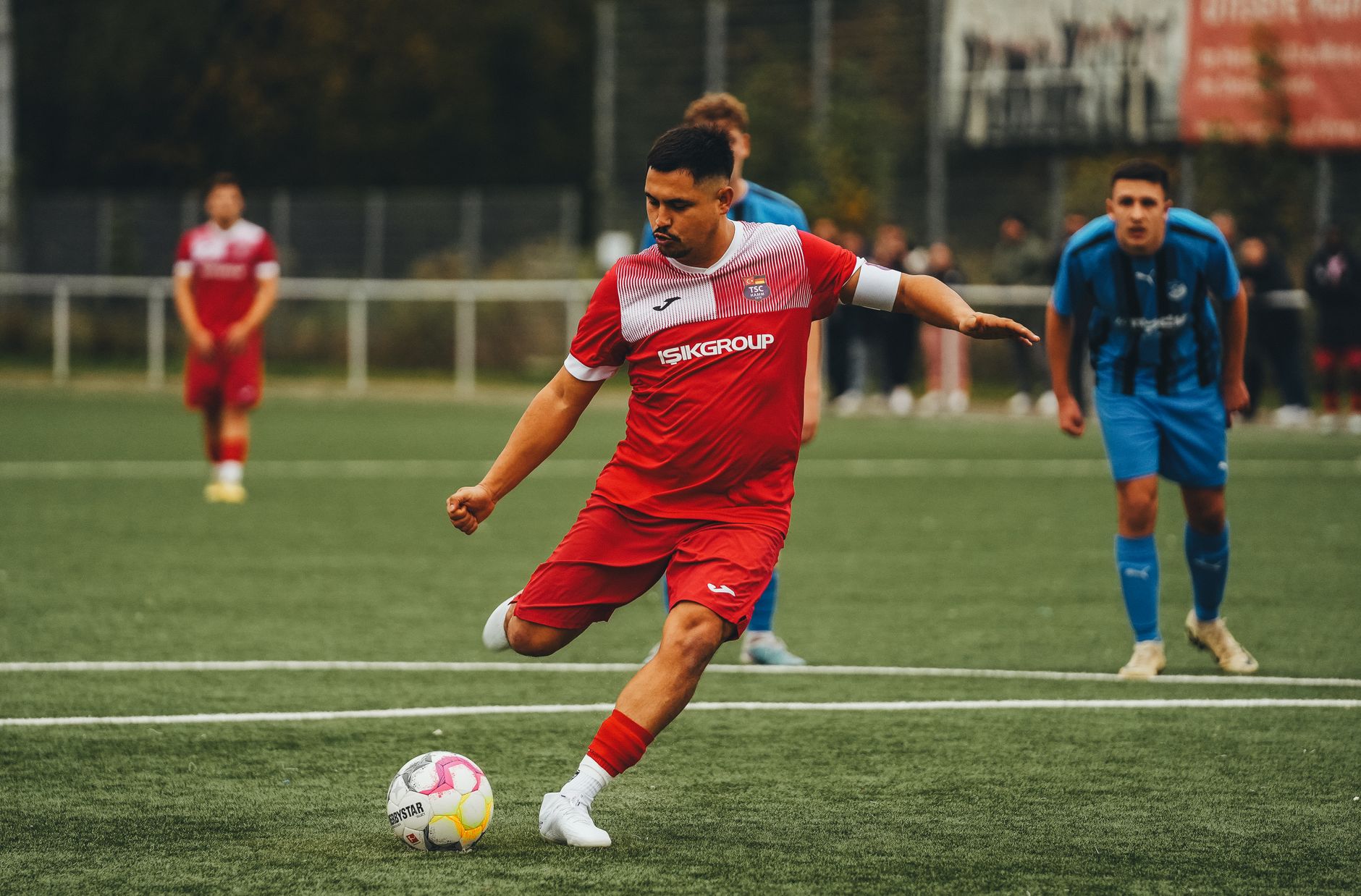
Photo by Omar Ramadan on Pexels
Choosing your first pair is not a ceremonial purchase; it is the first negotiation between your body and the ground. Every acceleration, stop, cut, and strike travels through that soleplate. The modern football footwear market offers hundreds of silhouettes, but the beginner’s decision can be reduced to three measurable variables: fit, traction, and tolerable comfort over a full practice. Price comes fourth, despite what advertising departments would like us to believe. A $250 speed boot that creates heel slip is a worse tool than a $75 leather boot that stays stable for 90 minutes, isn’t that the point? Tactical Review approaches football equipment with the same disciplined eye it applies to match predictions, player statistics, and 2026 World Cup tactical coverage: isolate the variables, reject the noise, and buy what performs.
Want a broader evidence-led football briefing before your next session?
Are the Best Football Cleats for Beginners Really Expensive?
The best football cleats for beginners usually cost $60–$120, and spending more than $180 rarely delivers a proportional benefit for a new player. Entry-level boots from Nike, adidas, PUMA, and New Balance can provide dependable grip, reasonable ball contact, and sufficient durability without premium carbon plates or ultra-thin synthetic uppers. Fit and surface compatibility matter more than the retail label.
The industry trend in 2026 is clear: brands are moving performance features downward into lower-priced tiers. adidas Copa Pure 3 League borrows touch-focused construction from higher Copa models, Nike Academy versions replicate the general shape of elite Mercurial boots, and PUMA Future Play models provide adaptive upper designs at a lower cost. That does not mean the cheaper model is identical; it means the performance gap is narrower than beginners assume. The FIFA Laws of the Game state that player equipment must not be dangerous, and that principle applies before brand loyalty begins.
Best beginner football cleats by use case
| Use case | Strong starting choice | Typical price range | Why it works |
|---|---|---|---|
| Natural grass, balanced all-rounder | Nike Premier 3 | $90–$110 | Soft touch, traditional fit, durable design |
| Budget natural-grass option | adidas Copa Pure 3 League | $60–$90 | Comfortable upper and controlled touch |
| Speed-oriented beginner | Nike Mercurial Vapor 16 Academy | $85–$100 | Lightweight feel and aggressive traction |
| Wider-feeling fit | New Balance Furon Dispatch | $70–$95 | Roomier construction than many speed boots |
| Flexible, adaptive feel | PUMA Future 8 Play | $60–$80 | Forgiving upper and versatile movement |
| Artificial grass | Nike Tiempo Legend Academy AG | $90–$110 | AG soleplate designed for synthetic fields |
| Indoor football | adidas Samba or dedicated IN model | $60–$100 | Flat non-marking rubber outsole |
A useful contrarian rule follows from these price bands: beginners should often buy last season’s mid-tier model rather than this season’s entry-level release. A discounted Nike Tiempo Legend 10 Academy at $70 can be a more rational purchase than a newly launched $100 boot with fewer reviews and an untested fit. To understand how equipment interacts with movement, explore our [Internal Link: beginner football training guide], especially the sections on first touch and change of direction.
How Does a Beginner Cleat Handle Different Playing Surfaces?
A beginner cleat handles surfaces correctly only when its soleplate matches the field: FG for firm natural grass, AG for artificial grass, TF for short-pile turf, and IN for indoor courts. Using the wrong outsole can reduce traction, create excessive stud pressure, or make turning unpredictable. Surface selection must come before color, brand, or marketing category.
Firm-ground, or FG, boots generally use molded conical or bladed studs for natural grass that is neither saturated nor extremely soft. Artificial-ground, or AG, boots spread traction across more and shorter studs, reducing concentrated pressure on synthetic fibers. Turf, or TF, shoes use many small rubber nubs and are designed for older, shorter artificial surfaces rather than full-length grass. Indoor, or IN, footwear has a flat rubber outsole and should not be substituted with outdoor studs. The U.S. Soccer Federation and local leagues frequently publish field-specific equipment guidance, while individual competition rules remain decisive.
The edge case is the player who trains twice weekly on artificial grass but plays weekend matches on natural grass. One FG pair may appear economical, yet the repeated AG sessions can expose the soleplate and foot to unnecessary stress. If 70% or more of your sessions occur on synthetic turf, buy AG first and borrow or rent FG footwear for occasional grass matches; that is not glamorous advice, but it is financially and biomechanically cleaner. Never wear metal studs as a beginner unless a qualified coach and league explicitly permit them.
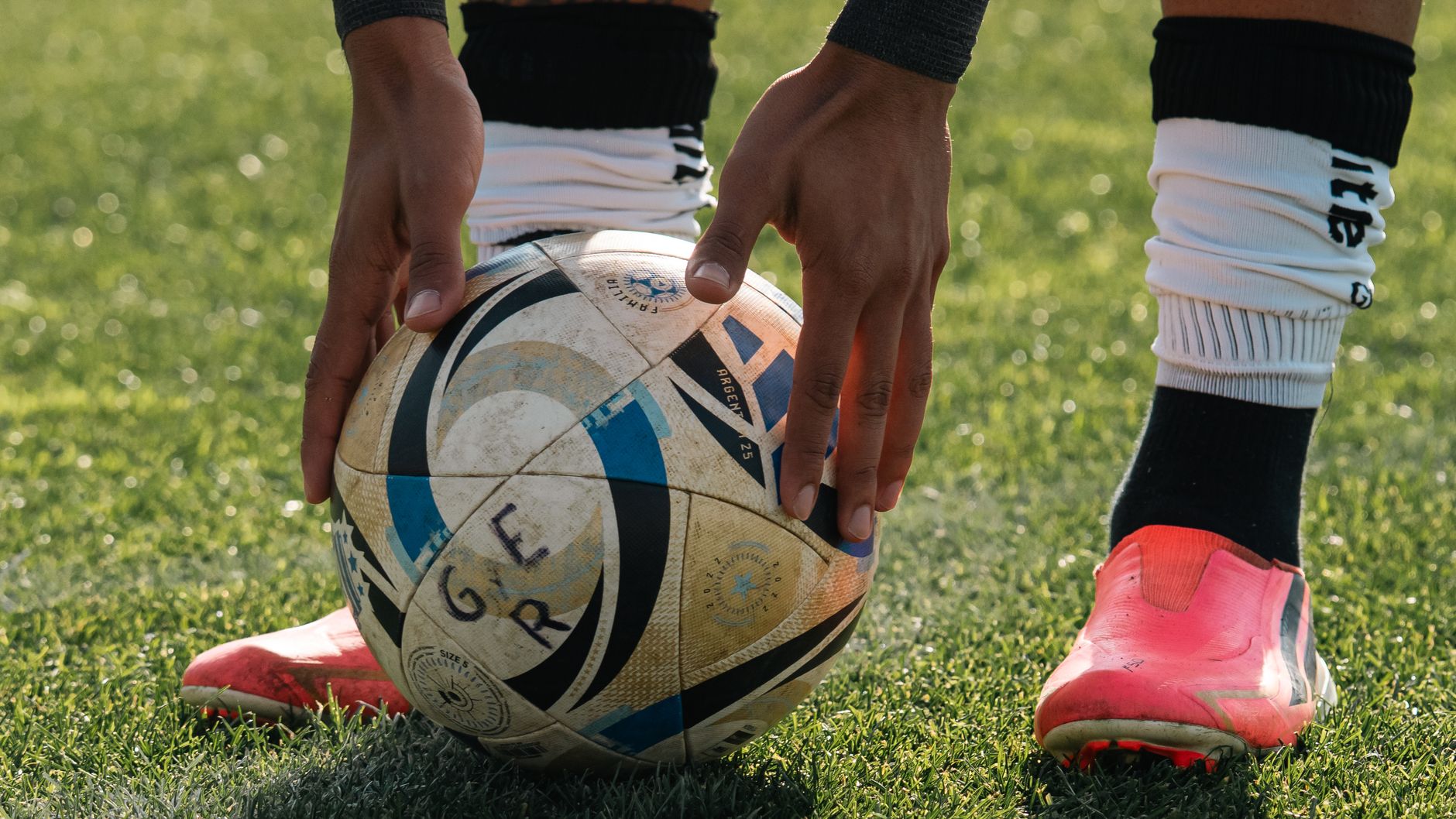
Photo by Mateo Franciosi on Pexels
Before ordering online, identify the actual field rather than relying on the venue’s casual description. “Turf” can mean short-pile football turf, modern artificial grass, or even an indoor court, and those surfaces demand different outsoles. A practical inspection takes 30 seconds: ask the facility manager, look at the grass height, and check whether players around you use rubber nubs, AG studs, or standard molded FG boots. If the surface is wet natural grass, ordinary FG boots may slide; soft-ground boots can help, but they often feel excessive and are not always accepted in youth leagues. The International Federation of Association Football provides broader technical context, but your competition organizer has the final word.
Get the surface decision right before comparing models.
What About Wide Feet, Growing Feet, and Other Edge Cases?
Wide-footed beginners, younger players, and athletes with previous pain should prioritize shape and adjustability over low weight. New Balance Furon and Tekela models often provide more forgiving options, while Nike Mercurial boots commonly feel narrower through the midfoot. Growing children need secure heel fit and modest toe room, but buying two sizes too large creates instability and does not represent genuine value.
For adult beginners, measure both feet in the afternoon because foot volume commonly changes during the day. Wear the socks used for training, stand while measuring, and select the larger foot as the sizing reference. The front of the boot should leave roughly 5–10 millimeters of functional space, but the heel should not lift during a slow jog or sharp stop. For children, a small allowance is sensible; excessive space is not. A boot that bends at the wrong point can teach poor movement habits and produce avoidable rubbing.
Fit test: first, then, finally
- First, place both feet inside the boots with match socks and tighten the laces normally. Check for toe pressure, arch compression, and heel movement.
- Then, walk, jog, and perform five controlled side steps. The foot should remain centered without the toes gripping the insole.
- Finally, keep the boots on for 10–15 minutes. Reject any model that produces numbness, hot spots, or sharp pressure before the break-in period.
- Afterward, inspect the soleplate and stitching. Uneven flexing, exposed adhesive, or a warped stud should trigger a return.
Here is the information many buying guides omit: break-in time does not repair a fundamentally wrong shape. A leather Nike Premier 3 may soften after two or three sessions, but it will not become wider at the heel or shorter in the toe box. Conversely, a synthetic adidas Copa Pure 3 League may feel acceptable immediately yet reveal pressure after 45 minutes. Test duration matters because many beginners judge fit after 90 seconds, then discover the truth halfway through practice. For additional sizing detail, use our [Internal Link: football cleat sizing and fit checklist].
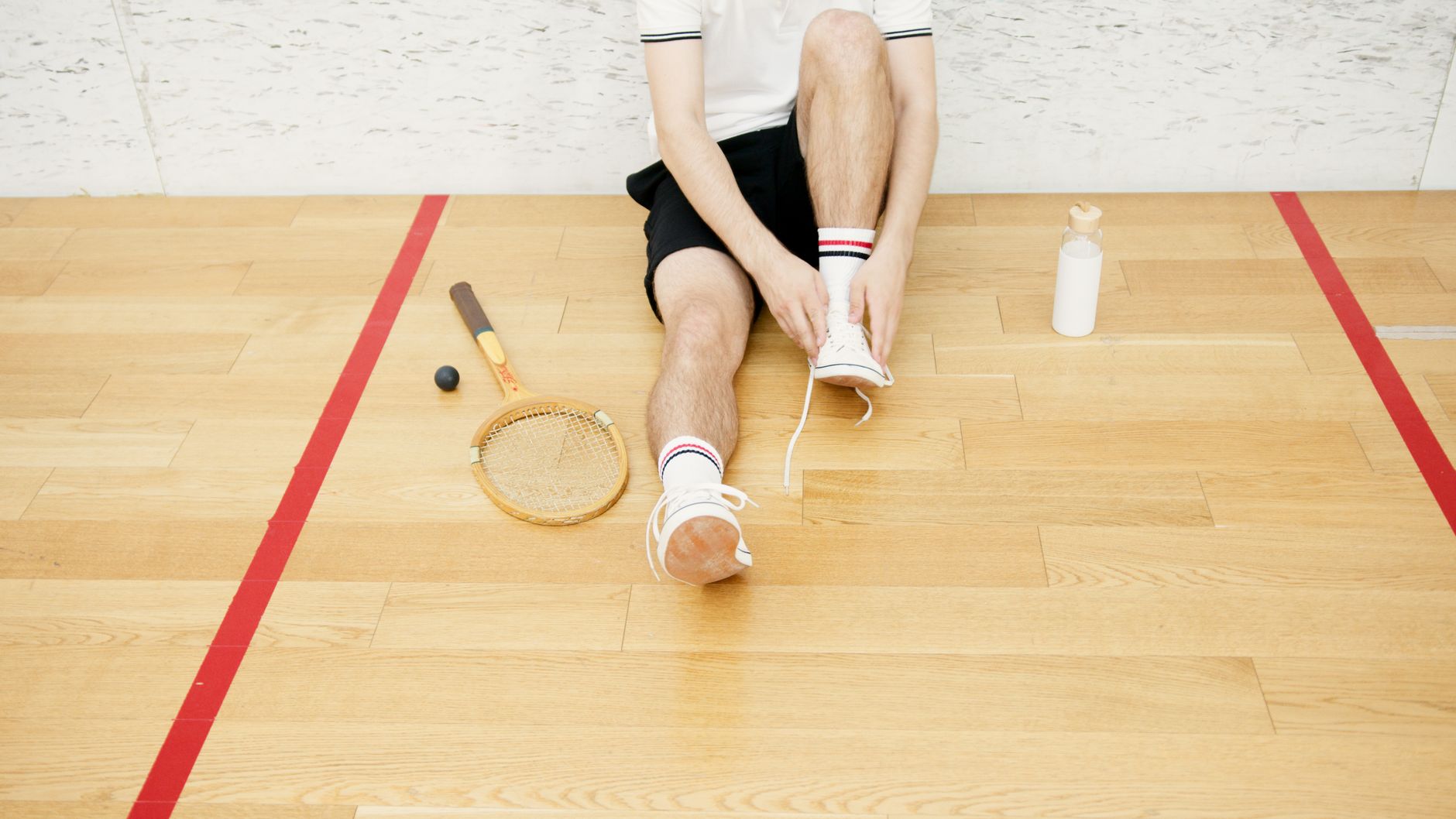
Photo by Artem Podrez on Pexels
Where Do Beginner Football Cleats Fail?
Beginner football cleats fail when buyers confuse lightness with quality, purchase the wrong stud pattern, or accept pain as a normal break-in requirement. Common failures include heel slip, cramped toes, soleplate stiffness, poor wet-grass traction, and premature upper separation. These problems are usually predictable from the fitting process and usage environment, not random bad luck.
The lightest boot is not automatically the fastest boot. A 180-gram speed model can feel impressive in the hand, but an unstable heel forces the player to waste energy correcting each step. Likewise, aggressive bladed FG studs may grip dry grass effectively and feel harsh on hard artificial surfaces. Beginners also overlook outsole maintenance: leaving mud on the plate hardens the material, while drying boots against a radiator can shrink leather and damage adhesives. Clean them with lukewarm water, remove debris using a soft brush, and dry them at room temperature.
Watch for these warning signs:
- The heel rises more than a few millimeters during a sprint.
- The little toe presses against the sidewall.
- Studs create concentrated pain beneath the forefoot.
- The upper folds directly across a painful joint.
- The boot feels comfortable only with unusually thick socks.
- The outsole begins separating within the return period.
- Traction changes dramatically between grass and artificial turf.
A particularly useful operational rule is the 20-minute check. Wear the boots indoors for 20 minutes while performing walking, lunging, and lateral movements; record pressure points rather than relying on general impressions. Then compare that note with your field experience after the first practice. If pain reaches 4 out of 10 or higher, stop using the pair and investigate the fit instead of hoping discipline will solve a footwear problem. Persistent pain warrants advice from a qualified medical professional, because no football cleat can correct an untreated injury.
See the practical equipment breakdown before you commit to a pair.
Should You Try Beginner Football Cleats Today?
You should buy beginner football cleats today if you have confirmed your surface, measured both feet, and selected a returnable model within a $60–$120 budget. The Nike Premier 3 is the safest all-round recommendation for natural grass, adidas Copa Pure 3 League is a strong value choice, and an AG model is preferable when synthetic turf dominates your schedule. Delay the purchase only if the field type, size, or league rules remain unclear.
The decision becomes straightforward when treated as a controlled shortlist rather than a shopping expedition. First, choose the outsole: FG, AG, TF, or IN. Then select the fit category: traditional leather-like comfort, streamlined speed construction, or a roomier shape. Finally, compare price, return policy, and durability. The most reliable beginner purchase is the model that remains comfortable during a full practice, not the model that looks most advanced under shop lighting.
Tactical Review’s broader football coverage is built around the same principle: decisions improve when emotion is separated from evidence. A beginner does not need elite-level carbon fiber, a professional-grade price tag, or a boot endorsed by Kylian Mbappé. They need traction that matches the field, a secure foot platform, and enough comfort to train consistently. Consistency, measured across 20 sessions rather than one dramatic first impression, is where skill develops.
Photo by Eduardo Avila Carbajal on Pexels
Our final recommendation is precise: start with the Nike Premier 3 for natural grass, the adidas Copa Pure 3 League for value, or a dedicated AG model for synthetic fields. Buy from a retailer offering returns, test the boots indoors for 20 minutes, and do not tolerate pain above mild break-in pressure. That is the entire strategy. The old romance of football remains—the worn grass, the floodlights, the sound of studs against concrete—but the purchase should be cold, exact, and deliberate.
Ready to compare football insights and make your next decision with better information?
Frequently Asked Questions
Q: What are football cleats for beginners?
A: Football cleats for beginners are purpose-built soccer boots that provide surface-appropriate traction, secure fit, and manageable comfort without requiring advanced technical features. Suitable examples include the Nike Premier 3, adidas Copa Pure 3 League, PUMA Future 8 Play, and New Balance Furon Dispatch. Most beginner-friendly models cost approximately $60–$120 in 2026. The correct choice depends more on field surface and foot shape than on the player’s position or brand preference.
Q: How do you choose the best football cleats for beginners?
A: Choose the outsole first, then confirm fit, comfort, and price. Use FG for firm natural grass, AG for artificial grass, TF for short turf, and IN for indoor courts. Measure both feet while wearing football socks, test heel lockdown and toe space, and keep the boots on for 10–15 minutes before purchasing. A return policy is essential because an online size chart cannot fully predict shape compatibility.
Q: What is the difference between FG and AG football cleats?
A: FG cleats are designed primarily for firm natural grass, while AG cleats distribute pressure across shorter, more numerous studs for artificial grass. FG studs can feel too aggressive on synthetic surfaces, particularly during repeated turning, while AG boots may lack ideal penetration on soft natural grass. If at least 70% of your sessions occur on artificial turf, AG is generally the more rational primary outsole. Always check your league’s equipment rules.
Q: How much should beginner football cleats cost?
A: Beginners should normally budget $60–$120 for reliable football cleats, with discounted previous-season models sometimes available below $50. Premium boots above $180 can reduce weight or add specialized materials, but they rarely create proportional gains for a new player. Nike Academy, adidas League, PUMA Play, and New Balance Dispatch tiers frequently provide sufficient performance. Reserve part of the budget for proper socks and, if needed, a second surface-specific pair.
Q: Why do football cleats hurt my feet?
A: Football cleats usually hurt because the shape, size, or outsole does not match the player’s foot or field. Common causes include toe-box compression, heel slip, excessive stud pressure, and wearing FG boots on hard artificial turf. Perform a 20-minute indoor test with match socks and record specific hot spots rather than waiting for the problem to disappear. Pain rated 4 out of 10 or higher should be treated as a fit warning, not a normal milestone.
Q: Are leather football cleats better for beginners than synthetic cleats?
A: Leather or leather-like cleats can offer a softer touch and a more forgiving break-in feel, while synthetic cleats usually provide lower weight, easier cleaning, and more consistent water resistance. The Nike Premier 3 favors a traditional touch-oriented experience, whereas many Nike Mercurial and adidas X models emphasize streamlined speed. Neither material is universally superior. Select the upper that matches your foot shape, maintenance habits, and tolerance for break-in time.
Q: Can beginners use professional football cleats?
A: Beginners can use professional football cleats, but they generally should not prioritize them over comfortable mid-tier models. Elite boots may cost $200–$300, use thinner materials, and offer a narrower fit or more demanding soleplate. A mid-tier Nike Tiempo, adidas Copa, or PUMA Future model usually delivers better value and durability for regular training. Choose professional footwear only when its fit is clearly superior and the additional cost does not reduce your ability to train consistently.