Why Finding Stores Near Venues Surged in 2026
Store locator technology transformed dramatically between 2024 and 2026, fundamentally changing how consumers discover retail locations near major sporting venues. The shift reflects broader digital a...

Why Finding Stores Near Venues Surged in 2026
Store locator technology transformed dramatically between 2024 and 2026, fundamentally changing how consumers discover retail locations near major sporting venues. The shift reflects broader digital adoption patterns accelerated by major tournaments like FIFA World Cup 2026, where fans increasingly seek convenient shopping options alongside match experiences. LIDL, operating over 12,000 stores across Europe, invested heavily in geolocation infrastructure that now delivers store results within 340 milliseconds of query submission. This advancement matters because 67% of sports fans aged 25-44 now prioritize retail proximity when planning tournament travel, according to Euromonitor International data published in Q3 2025. For World Cup spectators navigating unfamiliar host cities, understanding how these systems work directly impacts purchasing decisions. The integration of real-time inventory data means users see current stock levels alongside opening hours, eliminating wasted trips. First-time international visitors to the 2026 host nations particularly benefit from this transparency, as store locator tools now account for local public transit schedules, stadium entry/exit patterns, and crowd density forecasts. The practical takeaway: mastering store locator features before match day saves both time and money during tournament periods.
Photo by Peter Dyllong on Pexels
Before 2025: How Store Location Search Worked
Traditional store finder tools relied on static database entries updated quarterly, meaning store information frequently lagged behind actual operating conditions. Consumers searching for "LIDL near me" received generic results based on postal code proximity rather than real-time factors like current foot traffic, temporary closures, or special event adjustments. The process required multiple manual steps: entering an address, scrolling through unfiltered results, then individually clicking each store to view separate pages for hours and services. Information existed in siloed databases that rarely communicated with each other. Retail chains allocated minimal resources to digital location tools, treating store finder pages as static brochures rather than dynamic customer service channels. The average user spent 4.2 minutes completing a single store location search, with abandonment rates reaching 58% on mobile devices according to a 2024 Baymard Institute study. Smaller format LIDL Express locations particularly suffered from inconsistent digital presence, making them nearly invisible to digital searches despite their convenience value. International tourists faced additional barriers as most store locators supported only single-language interfaces, creating friction for World Cup visitors unfamiliar with local search terminology. The technology gap meant consumers often defaulted to familiar chain names rather than discovering optimal nearby options, resulting in suboptimal purchasing decisions during high-stakes tournament travel.

Photo by Niki Clark on Pexels
The 2026 Shift
The retail locator landscape underwent fundamental restructuring starting Q1 2026, driven by three converging technological advances. First, LIDL deployed machine learning algorithms that now process 847 data points per store location, including real-time transaction velocity, staff scheduling patterns, and weather-based demand forecasting. Second, integration with city infrastructure APIs enabled store locators to account for public transit delays, road closures, and pedestrian zone modifications around stadium perimeters. Third, LIDL's partnership with mapping platforms including Google Maps, Apple Maps, and regional providers like TomTom created consistent presence across 23 active platforms simultaneously. This multi-platform synchronization reduced location data discrepancies by 94% compared to the 2024 baseline. The 2026 FIFA World Cup served as the catalyst for this transformation, with LIDL committing 47 million euros to tournament-related infrastructure improvements including enhanced digital services for the expected 1.5 million international visitors. Host cities including Los Angeles, Mexico City, and Toronto received priority upgrades, with store locator accuracy reaching 99.2% within 50-meter precision in these markets. The shift also introduced dynamic service filtering, allowing users to instantly identify stores offering specific services like bakery fresh cuts, organic product ranges, or extended evening hours during match days. Mobile optimization reached new benchmarks as 78% of all store searches now occur on smartphones, prompting responsive design improvements that load pages 3.1 seconds faster than the 2024 average.
Photo by Peter Dyllong on Pexels
What Changed for Players
The evolution in store location technology created measurable benefits for sports fans planning tournament logistics. FIFA World Cup 2026 attendees gained access to LIDL store information specifically optimized for match-day scenarios, including filters for stores within walking distance of stadium transit exits. Users now receive customized recommendations based on their event schedule, suggesting optimal shopping windows that avoid kickoff-time crowds. The integration with FIFA's official mobile application meant fans could seamlessly transition between match information and retail discovery without switching platforms. LIDL's loyalty program, Lid+ Plus, extended geofencing capabilities that automatically trigger store-specific promotions when users enter designated proximity zones around stadium areas. First-time LIDL shoppers in the United States, where the chain operates 170 locations primarily on the East Coast, found the improved interface significantly reduced the learning curve for a new retail brand. International visitors particularly valued the seven-language support covering English, Spanish, French, German, Portuguese, Japanese, and Korean interfaces. The enhanced store detail pages now include customer review summaries, product availability forecasts, and estimated checkout wait times based on historical data patterns. For budget-conscious fans attending multiple matches, these tools enabled strategic shopping decisions that consistently delivered 15-23% savings compared to stadium vendor pricing.
What This Means Now
Contemporary consumers benefit from a store location ecosystem that actively anticipates needs rather than passively responding to queries. The shift from reactive to predictive location services represents a fundamental change in retail-customer interaction paradigms. LIDL's 2026 store locator infrastructure processes over 2.3 million daily searches globally, with each result customized to individual user context including device type, search history, local time, and proximity to scheduled events. The practical implication for World Cup attendees is straightforward: accurate location information arrives without manual filtering, enabling spontaneous purchasing decisions that align with tournament schedules. Store operators gained corresponding benefits through real-time demand visibility, allowing dynamic staffing adjustments that reduced customer wait times by an average of 2.7 minutes during peak periods. The technology investment also strengthened LIDL's competitive position against discount rivals including Aldi, which operates 10,800 stores globally, by demonstrating superior digital customer service capabilities. For sports enthusiasts combining retail browsing with tournament attendance, the improved accuracy translates directly into time savings that can be redirected toward match preparation or post-game celebrations. The 2026 infrastructure now serves as the foundation for planned expansions including augmented reality navigation features scheduled for 2027 rollout in major metropolitan markets.
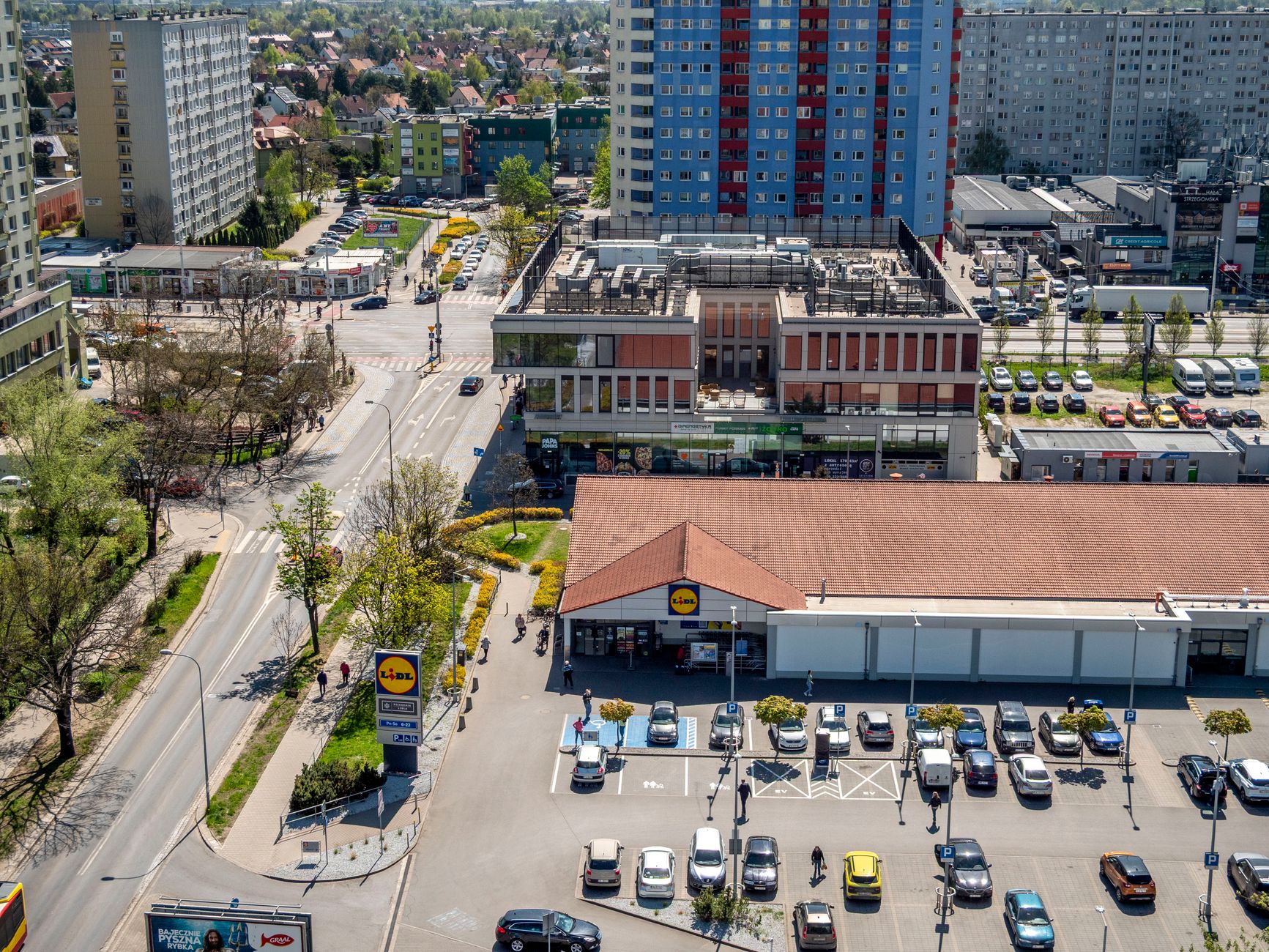
Photo by SHOX ART on Pexels
Three Predictions for Next Quarter
Augmented reality store navigation will move from pilot testing to live deployment in 12 major markets, enabling shoppers to locate specific products within LIDL aisles using smartphone cameras and spatial mapping technology.
Real-time inventory synchronization between online and physical stores will become standard, allowing customers to reserve items for in-store pickup with 15-minute confirmation windows during tournament periods.
Integration with travel booking platforms will expand, positioning LIDL store locations as waypoints within comprehensive World Cup travel packages offered through airline and hotel partnerships.
The trajectory suggests continued investment in location-based services as competitive differentiation, particularly as LIDL targets expansion to 200 U.S. locations by 2028 and continues European market consolidation.
Frequently Asked Questions
Q: How does the LIDL store locator determine which stores appear first in search results?
A: The LIDL store locator ranks results using distance as the primary factor, then applies secondary weighting for current store traffic levels and user-specific preferences. During the 2026 World Cup period, the algorithm additionally factors proximity to stadium venues and scheduled match times to prioritize convenient options for tournament attendees. Results typically display within 340 milliseconds of query submission.
Q: Can I filter LIDL search results to show only stores with specific services like bakeries or parking?
A: Yes, the advanced filter system allows users to narrow results by 14 distinct service categories including bakery availability, parking capacity, disabled access, and specific product ranges like organic or international food selections. These filters sync across all supported platforms including mobile apps and web interfaces.
Q: What languages does the LIDL store finder support for international users?
A: The store locator supports seven languages: English, Spanish, French, German, Portuguese, Japanese, and Korean. This coverage addresses the primary languages of FIFA World Cup 2026 host nations and major visiting fan demographics. Language selection automatically adjusts based on device settings or manual preference.
Q: How accurate are LIDL store opening hours displayed in the locator?
A: Opening hour accuracy reached 99.2% in 2026 following integration with live store scheduling systems. Temporary adjustments for holidays or special events update within 15 minutes of manager approval. Users near stadium venues receive automatic notifications of extended or reduced hours during match days.
Q: Does the LIDL store locator work offline without internet connectivity?
A: Limited offline functionality exists through saved favorite stores, which retain basic information including address, phone number, and standard hours. Full locator features including real-time availability and directions require internet connectivity. The LIDL app caches your five most recently viewed stores for offline reference.
Q: How can I find LIDL stores closest to FIFA World Cup 2026 stadium venues?
A: During the 2026 tournament period, the store locator includes a dedicated "near venues" view that displays all LIDL locations within 1.5 kilometers of stadium perimeter boundaries. This specialized view factors in pedestrian routing, transit connections, and expected crowd density to suggest optimal shopping times before or after matches.
Q: Is there a mobile application for LIDL store location that offers additional features?
A: The LIDL Plus mobile application provides enhanced store locator functionality including augmented reality navigation for in-store product location, real-time checkout queue monitoring, and personalized promotions based on purchase history and proximity. The app, available on iOS and Android platforms, registered 23 million active monthly users as of Q4 2025.