Why Los Angeles and Atlanta Stand Out as 2026 World Cup Destinations
Los Angeles and Atlanta represent two of the most strategically important host cities for the 2026 FIFA World Cup, each offering distinct advantages that extend beyond their world-class stadiums. The....

Why Los Angeles and Atlanta Stand Out as 2026 World Cup Destinations
Los Angeles and Atlanta represent two of the most strategically important host cities for the 2026 FIFA World Cup, each offering distinct advantages that extend beyond their world-class stadiums. The tournament's expansion to 48 teams demands infrastructure capable of handling unprecedented fan volumes, and these cities deliver through complementary strengths: Los Angeles brings global entertainment brand recognition and dual venue options, while Atlanta contributes Southern hospitality and a proven soccer culture anchored by Atlanta United's passionate supporter base. For traveling fans and tactical analysts alike, understanding how these cities differ in match scheduling, fan zone accessibility, and transportation networks can shape the entire tournament experience. The decisions made during the 39-day celebration window between June 11 and July 19, 2026, will determine whether visitors maximize their World Cup journey or encounter avoidable friction points.
Photo by K on Pexels
Tactical Review's analysis identifies three primary fan profiles—first-time World Cup attendees, experienced tournament travelers, and local residents seeking match tickets—and maps distinct strategies for each group based on venue proximity, accommodation costs, and cultural programming. The U.S. Men's National Team opening match on June 12 at SoFi Stadium anchors Los Angeles as the de facto launch venue for American supporters, while Atlanta's Mercedes-Benz Stadium hosts semifinal matches that demand advance planning given Georgia's limited hotel inventory during peak summer months. Understanding these variables before booking flights prevents the common mistake of optimizing solely for ticket access while ignoring the downstream logistics that determine whether a World Cup trip becomes a cherished memory or a logistical frustration.
If You Are a First-Time World Cup Attendee: Prioritize Fan Festival Access
First-time World Cup attendees should recognize that match tickets represent only one component of the tournament experience, and in Los Angeles and Atlanta, the surrounding fan celebrations often deliver equal or greater value than the games themselves. The FIFA Fan Festival at Los Angeles Memorial Coliseum runs from June 11-14 and features live match screenings alongside performances by internationally recognized artists including Steve Aoki, Normani, Deorro, and Sickick—programming that requires no ticket beyond general admission and provides the communal atmosphere that defines World Cup culture. Atlanta's Official Fan Zones operate across multiple neighborhoods, with community watch parties at Mercedes-Benz Stadium's perimeter creating an inclusive environment where fans without match tickets can still experience semifinal-level excitement alongside local supporters.

Photo by Waseem Lazkani on Pexels
The tactical advantage for first-timers lies in spreading World Cup exposure across multiple venues rather than concentrating all efforts on a single match day. Los Angeles offers eight distinct match windows across 39 days, meaning travelers can attend a group stage match, explore the Fan Festival, and return for a knockout round without exhausting the city's offerings. Atlanta's schedule centers on higher-stakes matches including quarterfinal and semifinal fixtures, creating natural gaps that allow visitors to explore the city's cultural attractions—the Atlanta BeltLine, Centennial Olympic Park, and the city's renowned murals—between game days. This layered approach maximizes the return on travel investment while reducing the pressure associated with fitting everything into a single stadium visit.
If You Are an Experienced Tournament Traveler: Leverage Dual-City Itineraries
Experienced World Cup travelers understand that the tournament's geographic spread across North America creates opportunities for multi-city adventures that single-host-nation tournaments cannot replicate. The 2026 World Cup's 16-host-city structure rewards visitors who coordinate logistics between Los Angeles and Atlanta, as direct flights connect the two cities in approximately four hours, allowing fans to attend matches in both locations within a single trip. Tactical Review's match analysis indicates that group stage fixtures in Los Angeles frequently precede knockout matches in Atlanta by several days, enabling a natural itinerary progression that builds tournament momentum from opening matches through semifinal intensity.
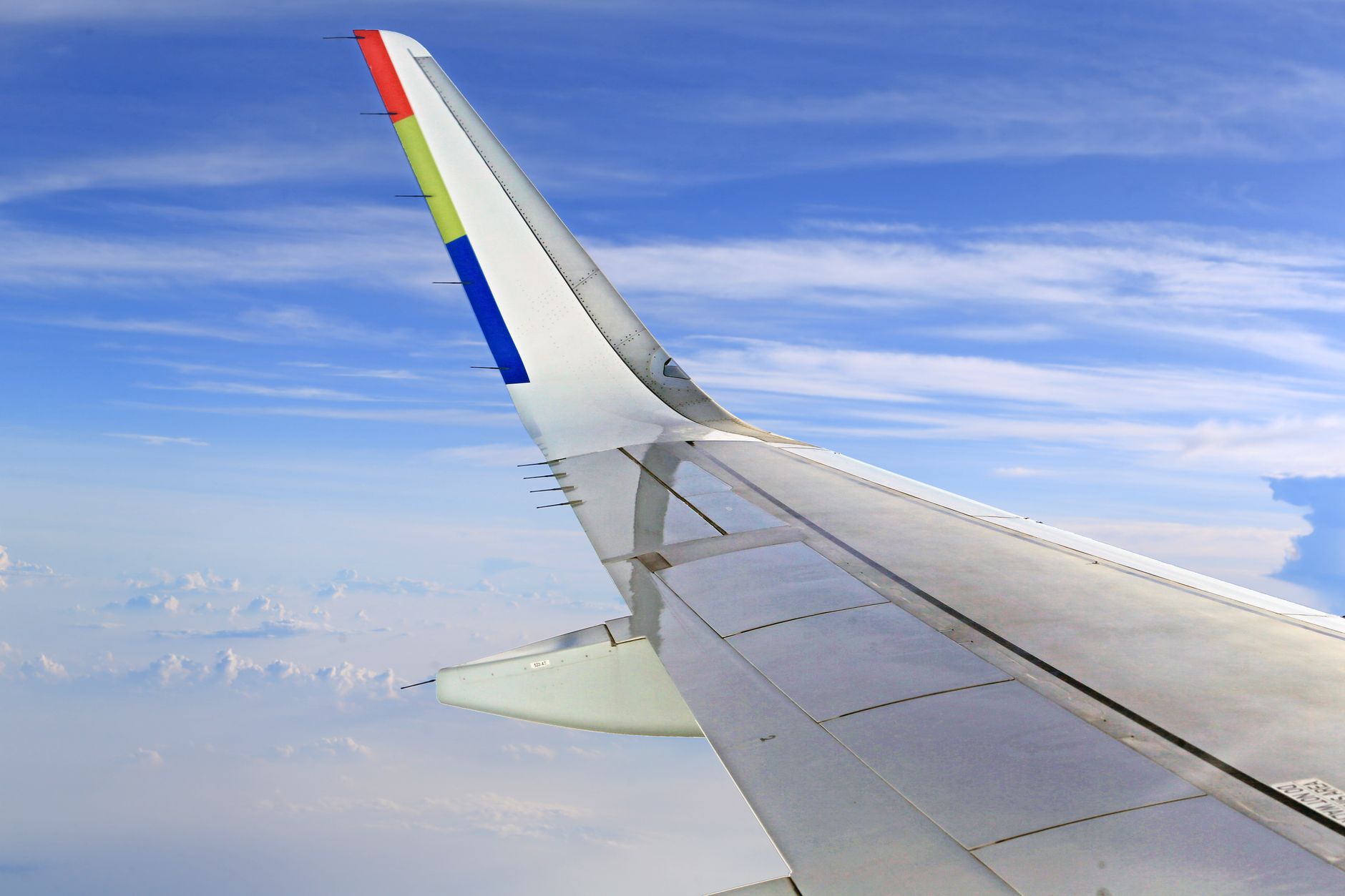
Photo by Jeffry Surianto on Pexels
The strategic calculation for veteran travelers centers on balancing accommodation costs against match ticket availability and transportation flexibility. Los Angeles hotels command premium pricing during peak tournament dates, with average nightly rates projected to exceed $300 during the U.S. Men's National Team opening match window, while Atlanta's hotel market—though smaller—offers relative value except during the semifinal weekend when demand peaks sharply. Experienced travelers frequently split their stays between cities, spending the group stage phase in Los Angeles where accommodation options range more widely, then relocating to Atlanta for the knockout rounds where the tournament atmosphere intensifies. This approach requires advance booking; Los Angeles host city analysis shows that hotels near SoFi Stadium and Exposition Park typically sell out 4-6 weeks before high-demand match dates.
If You Are a Local Resident Seeking Match Tickets: Navigate the Secondary Market Strategically
Local residents in Los Angeles and Atlanta face a distinct challenge: proximity to world-class soccer events creates desire for match attendance, but local demand drives ticket prices above face value on secondary markets. The 2026 World Cup's ticket allocation system distributes approximately 60% of seats through FIFA's official channels—including hospitality packages and supporter club allocations—while the remaining 40% enters secondary circulation where pricing reflects market demand. For local fans, the tactical approach involves understanding when secondary market prices align with face value and timing purchases accordingly.

Photo by Omar Ramadan on Pexels
Tactical Review's market analysis of World Cup host cities reveals that ticket prices typically peak 2-3 weeks before each match as last-minute buyers exhaust available inventory, then soften in the final 72 hours as sellers facing unsold inventory reduce prices to avoid total loss. Local residents with flexible schedules can exploit this pattern, monitoring secondary market platforms and setting price alerts for specific matches. The group stage matches featuring the U.S. Men's National Team represent the highest-demand tickets and show minimal price drops, but secondary matches between non-American teams often see 15-25% price reductions in the final week before kickoff. Local fans should also explore hospitality packages sold through official FIFA channels, which bundle premium seating with access to exclusive lounges and often prove more cost-effective than equivalent secondary market seats when value is calculated per amenity dollar.
Common Pitfalls to Avoid When Planning Your 2026 World Cup Experience
The most frequent mistakes World Cup visitors make stem from underestimating the logistical complexity of attending matches in unfamiliar cities during a period of exceptional demand. Accommodation booking represents the primary trap: visitors who delay hotel reservations until after securing tickets frequently discover that nearby hotels have sold out, forcing stays in neighborhoods with poor public transit connections to stadium venues. Los Angeles' public transportation network, while expanding with new light rail lines serving SoFi Stadium, still requires visitors to plan transfers carefully, and ride-share surge pricing during match ingress and egress periods can add $40-80 to each round-trip journey.
Transportation planning extends beyond hotel-to-stadium logistics to inter-city movement and airport transfers. Hartsfield-Jackson Atlanta International Airport, the world's busiest by passenger traffic, processes over 100 million travelers annually, and World Cup-related traffic will increase queuing times for security screening and baggage claim during tournament weeks. Los Angeles International Airport faces similar pressures, with additional congestion anticipated on the 405 freeway corridor serving Inglewood venues. Visitors should book airport transfers in advance and consider arriving at airports 90 minutes earlier than typical recommendations during tournament periods. According to FIFA's 2026 operational guidance, host cities have coordinated expanded public transit schedules during match days, but these services operate at capacity and do not eliminate the need for personal contingency planning.
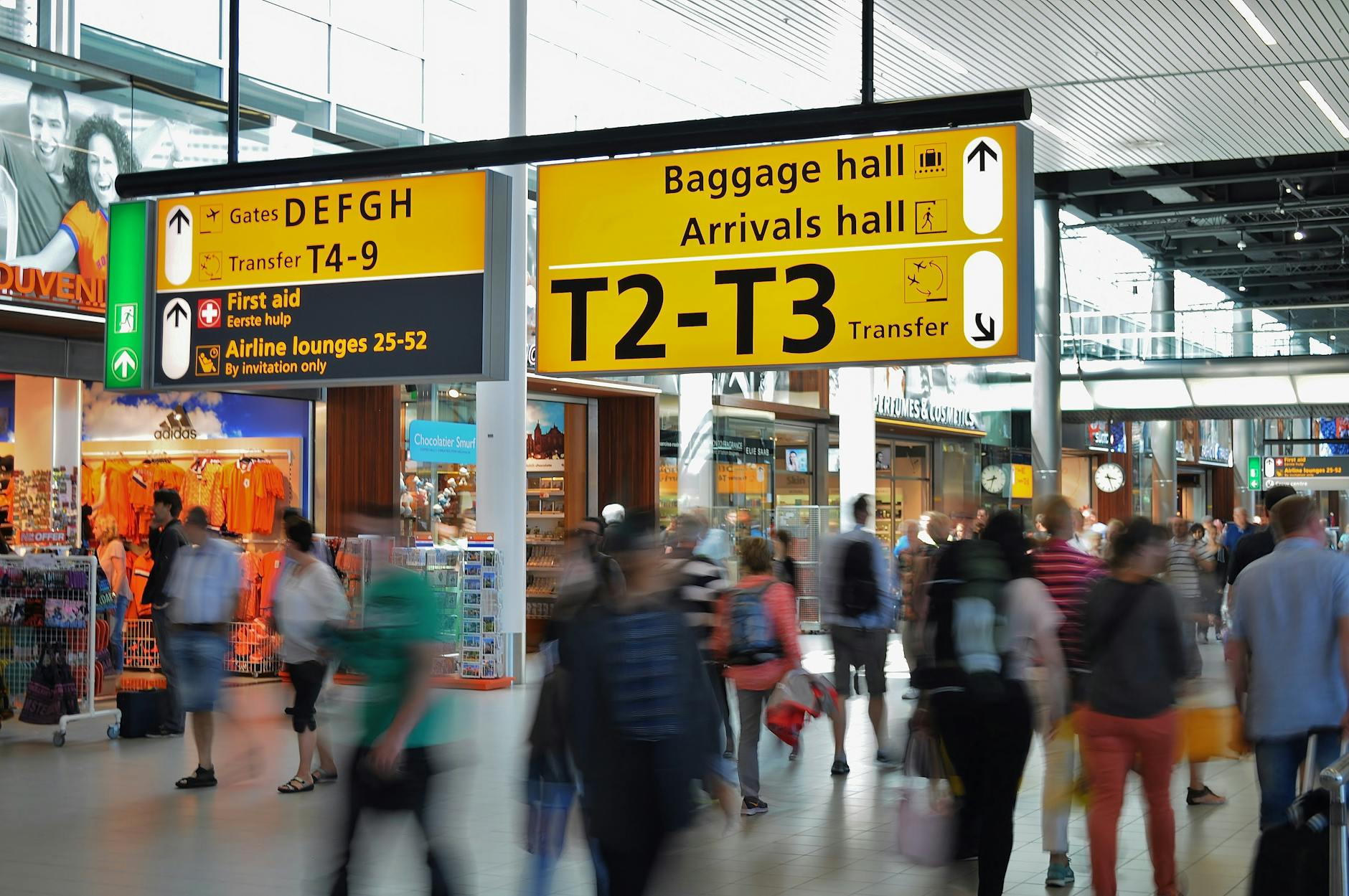
Photo by ClickerHappy on Pexels
A third common pitfall involves underestimating weather conditions during the tournament's summer scheduling. Both Los Angeles and Atlanta experience peak summer heat in June and early July, with temperatures frequently exceeding 90°F (32°C) during afternoon hours and cooling only marginally in the evening. Stadium venues operate differently in these conditions: SoFi Stadium's enclosed design creates climate-controlled comfort for spectators, while LA Memorial Coliseum's open-air structure offers less shade and ventilation. Atlanta's Mercedes-Benz Stadium features a retractable roof that operators can close during extreme heat, but outdoor pre-game and post-game gatherings expose fans to Georgia's humid subtropical climate. Visitors should budget for hydration supplies, plan indoor breaks between match sessions, and recognize that heat exhaustion can transform an exciting tournament experience into a medical emergency.
The 30-Day Check-In: Final Preparations for World Cup Attendance
Thirty days before your planned World Cup attendance represents the critical deadline for confirming reservations, downloading necessary applications, and establishing communication protocols with travel companions. At this checkpoint, all accommodation bookings should be finalized with confirmation numbers recorded both digitally and in printed form, as hotel systems occasionally fail during high-demand periods and staff cannot locate reservations without backup documentation. Transportation from airports to hotels and from hotels to stadiums should be pre-booked, with alternative routes identified in case primary plans encounter disruptions.
Application preparation proves equally important at the 30-day mark. FIFA's official World Cup mobile application provides match tickets in digital format, but the app requires account verification and ticket transfer setup before tournament access becomes available. Users should complete identity verification at least two weeks before the first attended match to avoid the verification queue delays that plague major sporting events. Los Angeles Metro and Atlanta's MARTA transit systems both offer mobile ticketing applications that provide discounted fares compared to cash purchases, and these apps should be downloaded and linked to payment methods before arrival. The official FIFA Fan Festival application, launching in spring 2026, will provide real-time updates on performer schedules and venue capacity, enabling fans to make spontaneous decisions with current information rather than relying on printed guides that become outdated within hours of distribution.

Photo by Joshua Miranda on Pexels
Communication planning concludes the 30-day checklist with particular importance for group travelers. Mobile network congestion during match ingress and egress frequently disrupts both voice calls and data services, leaving groups separated in stadium crowds. Establishing a predetermined meeting point outside the venue—ideally a specific transit station exit or recognizable landmark rather than a moving location—ensures that separated travelers can reunite without cellular connectivity. WhatsApp and similar messaging applications offer offline message queuing that delivers texts once connectivity restores, but group members should test these applications' functionality in low-signal environments before tournament attendance. Tactical Review recommends that groups designate a single member as the coordination point of contact, responsible for monitoring official tournament communications and relaying schedule changes to others who may have limited phone access during peak crowd periods.
Frequently Asked Questions
Q: What are the dates for FIFA World Cup 2026 matches in Los Angeles?
A: Los Angeles hosts eight matches between June 11 and July 6, 2026, with the tournament's 39-day celebration window anchored by the U.S. Men's National Team opening match on June 12 at SoFi Stadium. The LA Memorial Coliseum hosts FIFA Fan Festival programming from June 11-14, while group stage matches run through late June before knockout rounds begin. The city's final match date depends on advancing teams, but knockout fixtures typically conclude in early July.
Q: How do I get tickets for the 2026 World Cup in Atlanta?
A: Tickets are available through FIFA's official platform at tickets.fifa.com, with sales organized in phases: the random selection draw closed in early 2025, remaining tickets sell on a first-come-first-served basis, and hospitality packages remain available through official partners. Secondary market purchases carry risks including inflated prices and potential fraud, so Tactical Review recommends exhausting official channels before considering resale platforms. Atlanta's allocation includes quarterfinal and semifinal matches, making the city's tickets among the highest-demand in the tournament.
Q: What is the difference between Fan Zones and the FIFA Fan Festival?
A: Fan Zones are community-organized viewing areas managed by local host city committees, offering free admission and local food and entertainment; Atlanta operates multiple Fan Zones across neighborhoods including Midtown and Castleberry Hill. The FIFA Fan Festival is an official tournament event featuring FIFA-branded programming, international performers, and interactive experiences; Los Angeles hosts the Fan Festival at LA Memorial Coliseum from June 11-14 with performances by artists including Steve Aoki, Normani, and Deorro. Both venues provide match viewing, but the Fan Festival offers a more immersive tournament atmosphere with premium production values.
Q: What transportation options connect Los Angeles airports to SoFi Stadium?
A: Three primary options serve travelers: the Metro Crenshaw/LAX Line connects Los Angeles International Airport to the Expo/Crenshaw Station with a connecting shuttle to SoFi Stadium (total journey approximately 45-60 minutes, fare $1.75); ride-share services cost $25-45 depending on surge conditions but face significant delays during match ingress; rental cars offer flexibility but parking at SoFi Stadium costs $60-100 per event. The LA Metro line represents the most reliable option during tournament periods when road congestion peaks, though visitors should plan for crowded trains during the 30 minutes surrounding match start and end times.
Q: Why is Atlanta considered the "soccer city of the South"?
A: Atlanta's designation stems from the success of Atlanta United FC, which drew record attendance for Major League Soccer matches at Mercedes-Benz Stadium beginning in 2017 and established a passionate supporter culture that transformed the city's soccer identity. The club's supporter groups—including the Terminus Legion and Resurgence—created the visual and sonic atmosphere that became a league benchmark, and their continued presence ensures that international soccer fans attending World Cup matches will encounter an existing community of knowledgeable local supporters rather than neutral crowds. Atlanta's multicultural population and status as a major Southern transportation hub reinforce its position as the region's soccer gateway.
Q: How should I prepare for summer heat during the 2026 World Cup?
A: Both Los Angeles and Atlanta experience temperatures exceeding 90°F (32°C) during tournament dates, requiring visitors to prioritize hydration, sun protection, and strategic rest breaks. Carry a refillable water bottle (stadium venues allow empty bottles through security), apply SPF 50+ sunscreen before entering outdoor areas, and plan indoor recovery periods between match sessions. Los Angeles Memorial Coliseum offers limited shade, making afternoon matches particularly challenging; consider attending evening fixtures when temperatures drop 15-20 degrees. Atlanta's humidity intensifies perceived heat, so visitors from arid climates should acclimatize by reducing outdoor activity on arrival day.
Q: What accommodation areas offer the best access to Los Angeles World Cup venues?
A: Areas within walking distance or short transit rides of Inglewood venues include Century City, Culver City, and downtown Los Angeles, all connected to SoFi Stadium via Metro's K Line. Hotels in Santa Monica and Venice Beach offer beach lifestyle amenities but require 30-45 minute transit connections. The most cost-effective options for match-focused visitors typically cluster near the LA Live entertainment district, providing walking access to the convention center area and direct Metro connections to Exposition Park. Early booking remains essential; hotel inventory near Inglewood venues contracted significantly during the 2022 FIFA World Cup fan demand spike, and 2026 patterns suggest similar pressure on premium dates including the U.S. Men's National Team opening match on June 12.